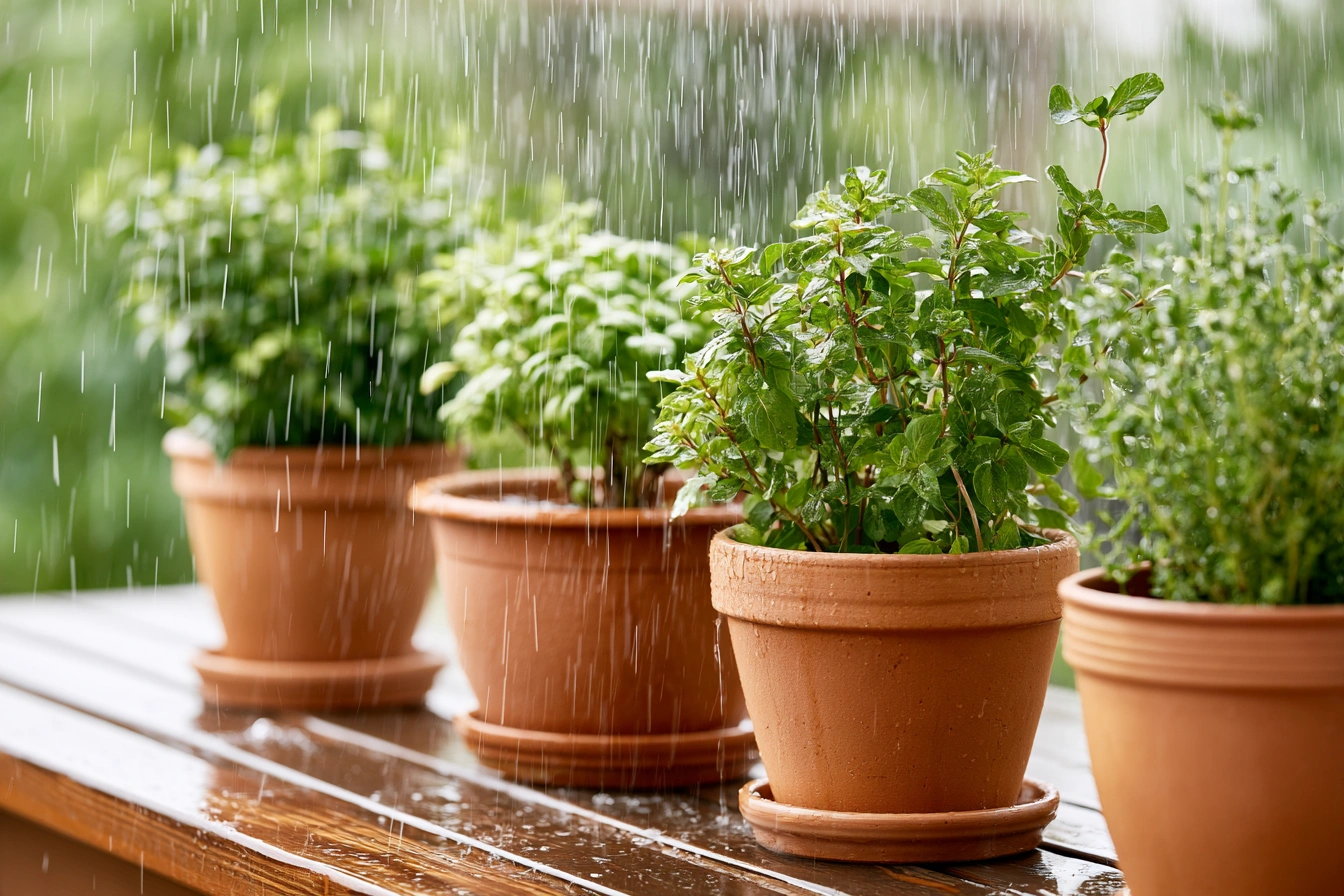
The monsoon season is a significant climatic phenomenon characterized by a shift in prevailing winds, typically occurring in regions like South Asia and parts of Africa. This period usually begins between June and September, accompanied by heavy rainfall and increased humidity. The onset of monsoon rains can dramatically alter local weather patterns, with consequences for both the environment and gardening practices.
During the monsoon season, the atmosphere becomes saturated with moisture, leading to prolonged periods of rain. These conditions often result in standing water in gardens, which can have both beneficial and detrimental effects on potted plants and outdoor blooms. On one hand, the additional moisture can promote healthy growth by providing essential water to roots. On the other hand, excessive rainfall may lead to problems such as root rot, fungal infections, and nutrient leaching from the soil.
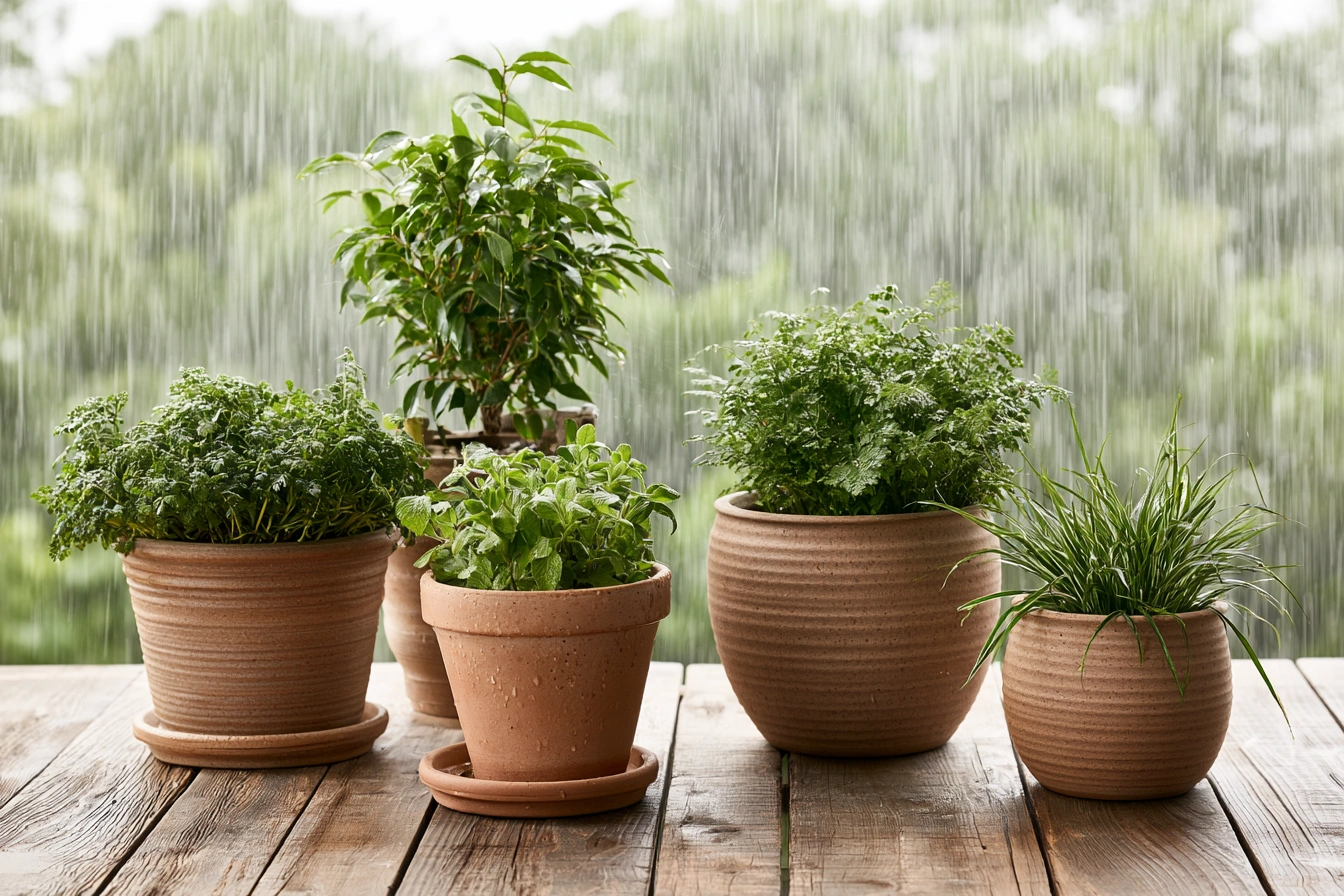
Furthermore, the increase in humidity during the monsoon season creates an ideal environment for various pests and diseases to thrive. This emphasizes the need for vigilant monitoring of plants during this period. Gardeners must recognize the signs of stress in their plants, such as yellowing leaves or wilting, which can indicate that modifications are necessary to protect them from the adverse effects of heavy rainfall.
Preparing for the monsoon involves understanding these weather patterns and implementing appropriate strategies to safeguard potted plants and outdoor blooms. Effective measures include selecting proper drainage solutions, amending soil for better moisture retention, and strategically placing potted plants to minimize water accumulation. By acknowledging these characteristics of the monsoon season, gardeners can better adapt their practices to ensure the health and vitality of their plants.
Essential Tips for Securing Potted Plants
As the monsoon season approaches, it becomes crucial to consider the safety and longevity of your potted plants. One of the primary concerns during heavy rainfall is waterlogging, which can lead to root rot and hinder the health of your plants. Therefore, selecting the right location for your pots is vital. Opt for spots that are covered or slightly elevated to allow excess water to drain away effectively. Avoid placing pots directly on flat surfaces that trap water, such as concrete patios.
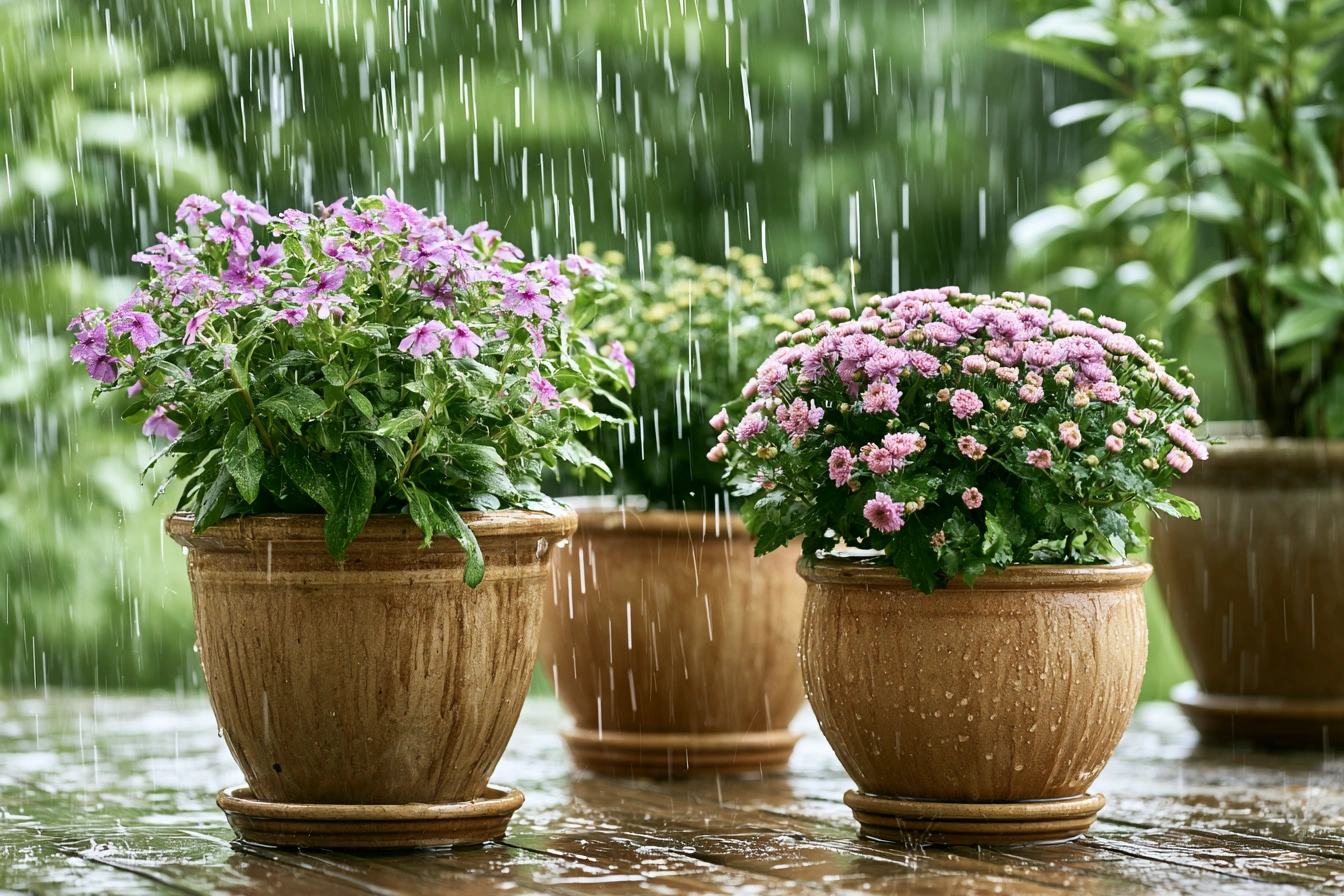
In addition to strategic placement, using pot stabilizers can offer added security against wind and heavy rain. These stabilizers can include options like sturdy plant stands or straps that anchor pots in place, preventing them from tipping over during storms. This is especially important for larger pots that may catch the wind more easily.
When selecting pots, it is advisable to choose materials that are weather-resistant. Terracotta and ceramic pots, while aesthetically pleasing, can absorb moisture and become heavy, making them prone to cracking in fluctuating temperatures. Alternatively, lightweight materials like fiberglass or plastic can withstand the elements better and are less likely to deteriorate.
Grouping pots together can also enhance their stability. When clustered, pots can offer mutual support, preventing individual pots from being blown over by strong winds. Furthermore, this method aids in retaining humidity, creating a microenvironment that can benefit nearby plants. Elevating pots off the ground is another effective technique to improve drainage. Using pot feet or stands allows excess water to escape easily, keeping the roots dry and promoting overall plant health.
Implementing these strategies not only protects your potted plants during the monsoon but also enables them to thrive and flourish through the wet season. Remember to monitor your plants regularly and adjust their placements as necessary to ensure they remain healthy and secure.
Optimizing Drainage for Healthy Plants
Proper drainage is critical for maintaining the health of potted plants and outdoor blooms during the monsoon season. Excessive rainfall can easily lead to waterlogged soil, which in turn creates a hospitable environment for problems such as root rot and fungal diseases. Therefore, optimizing drainage is an essential aspect of plant care in these conditions.
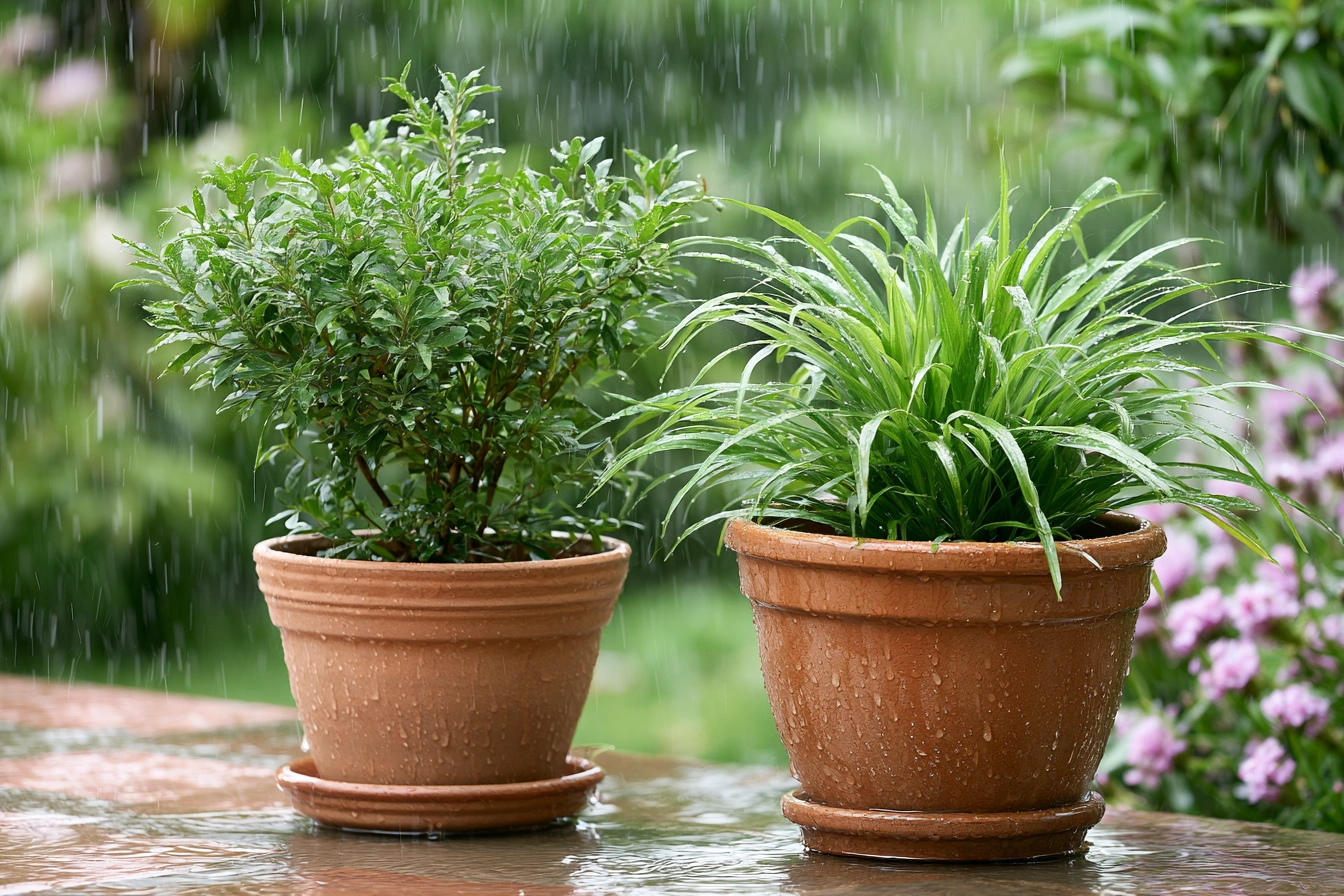
One of the primary strategies for enhancing drainage is to choose potting mixes that are specifically designed to facilitate water movement. These mixes typically contain materials such as perlite, vermiculite, or bark that promote aeration and allow excess water to drain away swiftly. In addition to using suitable potting soil, another effective method is to incorporate a layer of pebbles or gravel at the base of the pot before planting. This layer serves as a barrier, preventing soil compaction and allowing water to escape more efficiently.
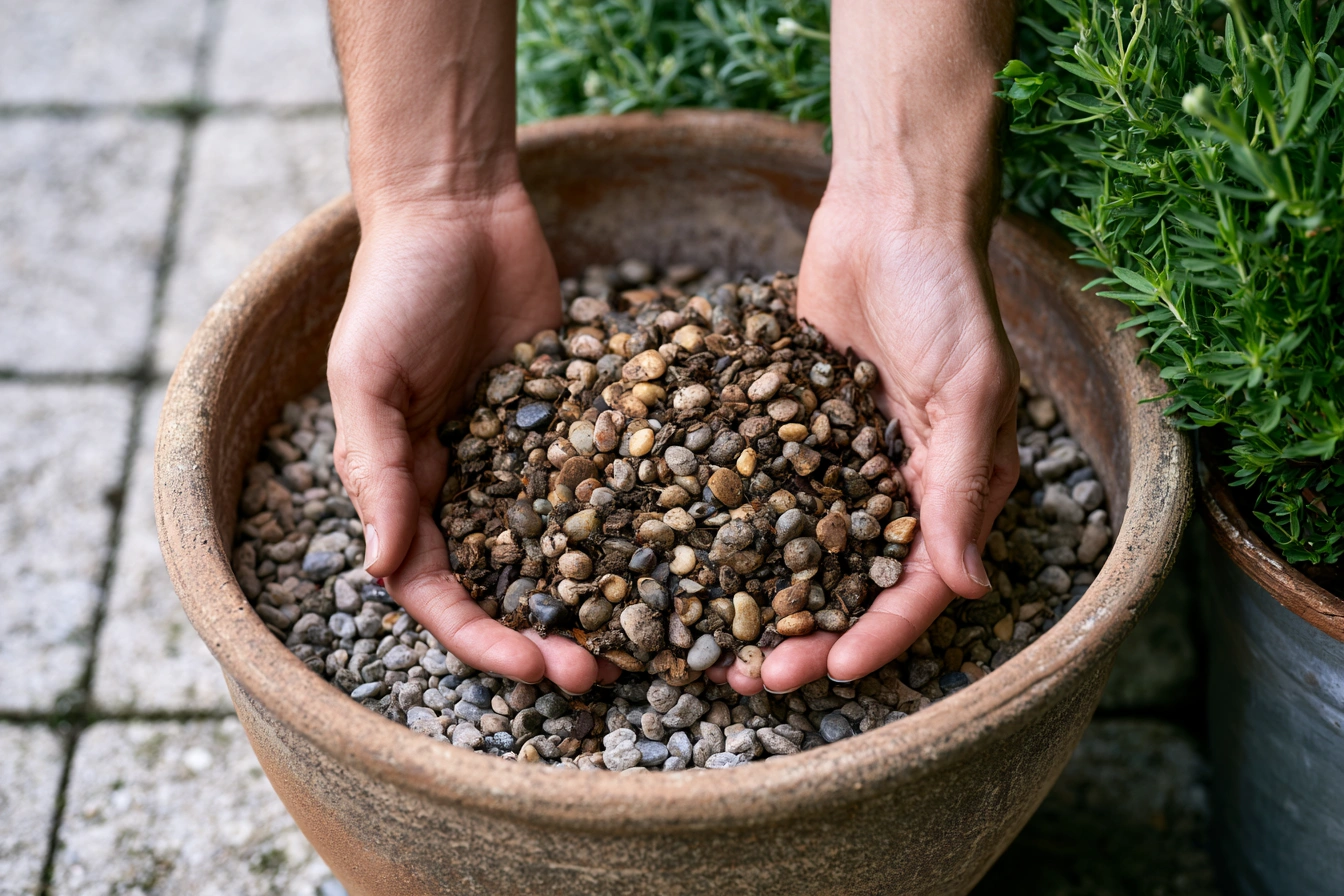
Moreover, ensuring that all pots have adequate drainage holes is vital. Pots without drainage holes can trap water, resulting in saturated soil conditions that are detrimental to plant health. If your pots lack these openings, consider transferring your plants to those that do, or carefully drilling holes to facilitate drainage. Keep in mind that even well-drained pots may require periodic checks, especially during continuous rainfall, to prevent any potential accumulation of water.
To summarize, optimizing drainage for your potted plants during the monsoon season is essential to mitigate risks associated with waterlogging, such as root rot and fungal diseases. Implementing these strategies can lead to healthier plants and a more thriving outdoor garden, which can withstand the heavy rains associated with the monsoon months.
Choosing Plants That Thrive in Humidity
The monsoon season brings a shift in climate with increased humidity and heavy rainfall. Selecting the right plants that can thrive in these conditions is essential for maintaining a vibrant outdoor space. Several species are well-adapted to thrive even when faced with excessive moisture and humidity commonly experienced during the monsoon.
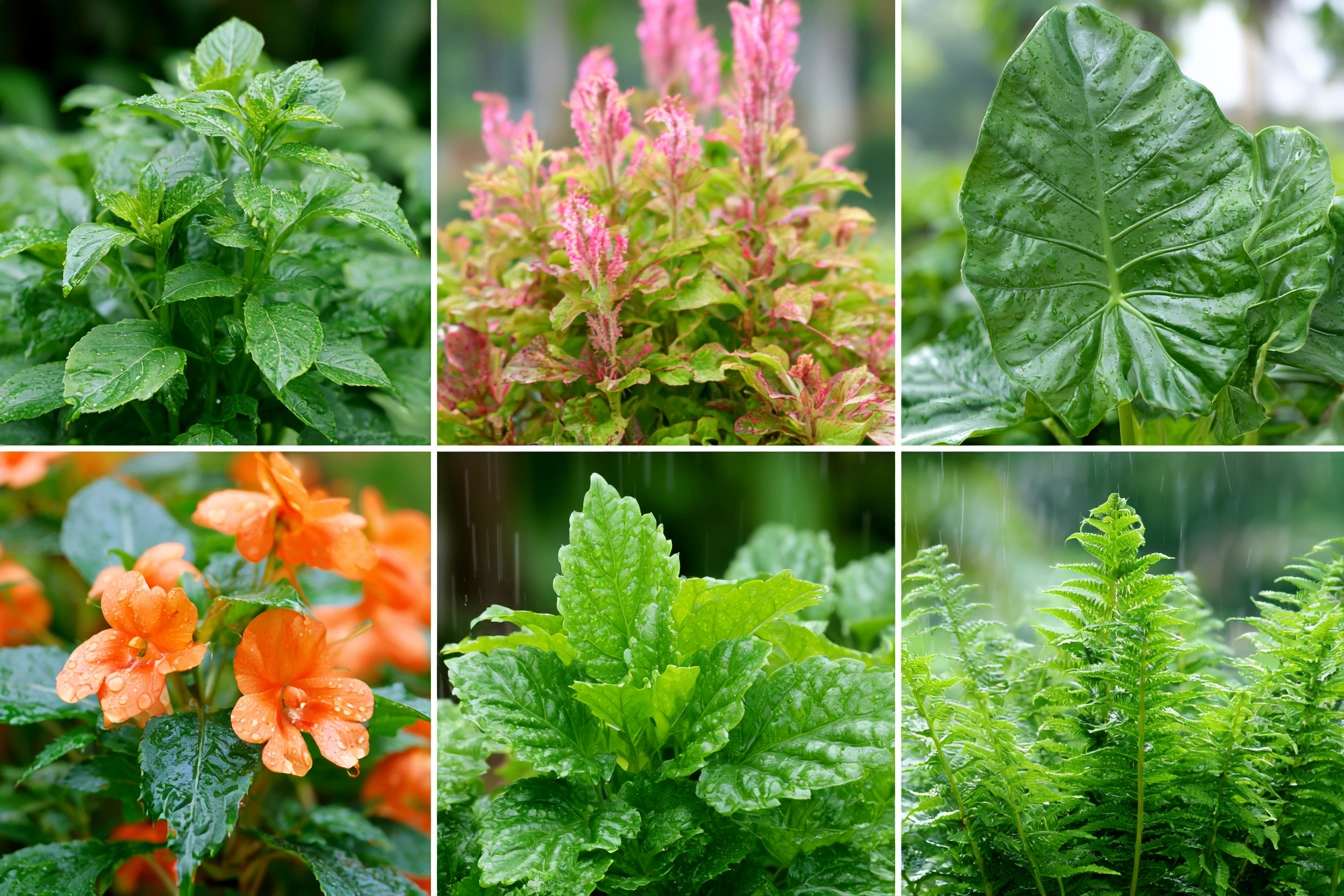
Some excellent options for the monsoon season include Balsam, which produces vibrant blossoms and has a natural affinity for wet conditions. Another notable contender is the Alocasia, commonly known as elephant ear, which not only thrives in humidity but also adds an exotic touch to any garden. Other plants such as Coleus and ferns also perform beautifully when exposed to the high humidity typically seen during the monsoon.
In addition to selecting suitable plants, proper care techniques should be adopted to ensure their health during the damp season. For instance, overwatering can be detrimental, so it is advisable to adjust your watering schedule according to rainfall patterns. Watering should be done early in the morning or late in the afternoon to allow for evaporation during the hotter parts of the day.
Furthermore, pay close attention to the signs that indicate a plant may be struggling. Wilting leaves, root rot, or yellowing foliage are common indicators of stress due to excessive moisture. In cases where waterlogging is occurring, consider elevating the pot or using well-draining soil to promote better drainage.
In conclusion, choosing plants that thrive in humidity along with mindful care practices can significantly enhance the resilience of your garden throughout the monsoon season. Taking the time to select the right species and adapt maintenance routines will lead to a lush and healthy garden even during the wettest months.