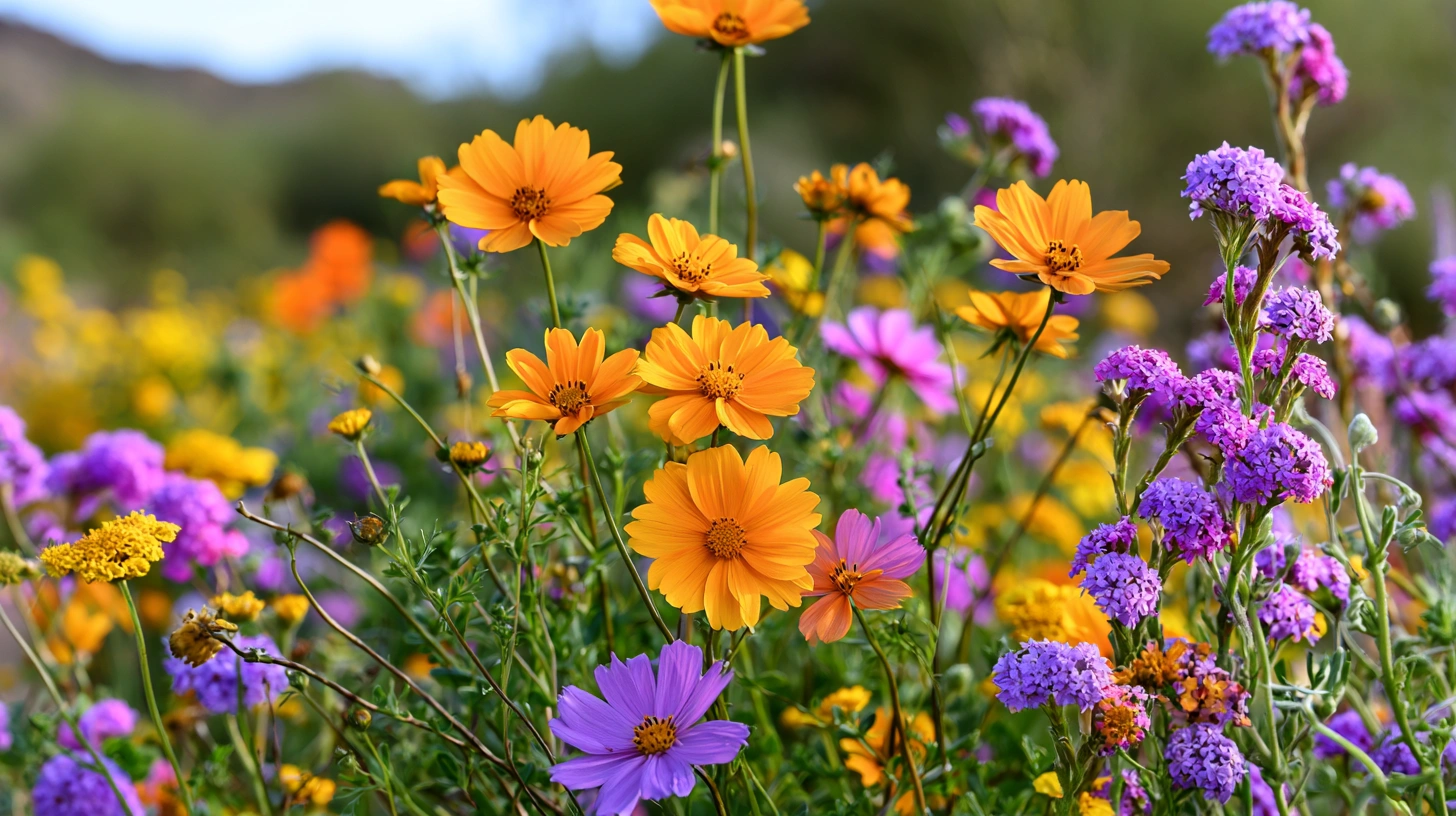
Summer-Resilient Blooms: FAQ
Key insights from “A Guide to Heat-Tolerant Flowers in San Tan Valley”
“San Tan Valley experiences high temperatures that often soar above 100 degrees Fahrenheit during the summer months, coupled with low humidity levels. Such extreme conditions lead to rapid evaporation of moisture from the soil, making traditional watering schedules less effective.”
“The unique soil composition found in this region can vary widely, with many areas featuring sandy or rocky terrain that struggles to retain moisture. Consequently, gardeners must opt for heat tolerant flowers that not only thrive in dry conditions but also require minimal maintenance.”
- Desert Marigold: “Bright yellow blooms… drought resistance is complemented by their cheerful appearance, attracting butterflies and pollinators.”
- Mexican Sunflower: “Striking orange color… can grow as high as 5 feet… heat tolerance makes it a favorite among gardeners looking for low-maintenance options.”
- Lantana: “Clusters of colorful flowers ranging from yellow to purple… flourishes throughout summer and thrives in full sun.”
- Penta: “Star-shaped flowers, available in shades of pink, red, and white… bloom continuously from spring to fall.”
- Blanket Flower: “Reddish-orange flowers… resilience to heat and drought makes them perfect for summer floral arrangements.”
“These heat tolerant flowers are adapted to the local climate, which means they require less water, are easier to maintain, and provide a sustainable option for gardening enthusiasts… Native plants demonstrate adaptability to local pests and diseases, reducing the need for chemical interventions.”
“Ideally, start planting in early spring or late fall when temperatures are milder. This gives plants an opportunity to establish roots before facing the harsh summer heat. By avoiding mid-summer planting, you can significantly improve the survival rate of your blooms.”
“A layer of mulch helps to insulate the soil, keeping it cooler and retaining moisture longer. The additional benefit of mulch is its ability to suppress weed growth, which can otherwise compete with your flowers for valuable resources.”
Schedule: “Water early in the morning or late in the evening. During these cooler times of day, evaporation rates are lower… Established heat tolerant flowers generally require less frequent watering than newly planted varieties. A good rule of thumb is to deeply water them once or twice a week.”
Method: “Drip irrigation systems are highly effective in delivering moisture directly to the roots, reducing evaporation and promoting healthier growth. Alternatively, soaker hoses can also be used… Avoid overhead irrigation during peak heat, as this can lead to water loss and may increase the risk of fungal diseases.”
Outdoor Arrangements: “Using heat tolerant flowers is an effective way to ensure your arrangements remain vibrant and fresh despite the sweltering temperatures… zinnias, marigolds, and desert willows can be combined for a striking visual appeal.”
Indoor Displays: “Indoor spaces should be kept between 68°F to 72°F (20°C to 22°C). Avoid placing your flower arrangements near heat sources such as air vents, direct sunlight, or appliances… Water the flowers when the top inch of soil feels dry… Utilizing a misting technique can help maintain humidity around your blooms.”
“Arizona is home to an array of vibrant floral festivals… One notable event is the Arizona Flower & Garden Show held annually in Phoenix… Another significant festival is the Tucson Botanical Gardens’ annual Flower Festival… In Mesa, the Summer Sunflower Festival attracts many flower lovers eager to see the beautiful sunflowers in full bloom.”
The climate of Arizona, particularly in areas like San Tan Valley, presents a unique set of challenges for gardeners and flower enthusiasts. Renowned for its intense heat and prolonged dry summers, the region creates conditions that significantly influence plant growth. Understanding these climatic factors is essential for anyone looking to cultivate a stunning array of heat tolerant flowers in AZ.
San Tan Valley experiences high temperatures that often soar above 100 degrees Fahrenheit during the summer months, coupled with low humidity levels. Such extreme conditions lead to rapid evaporation of moisture from the soil, making traditional watering schedules less effective. Therefore, selecting flowers that can endure these harsh environments becomes critically important for both survival and aesthetic appeal.
Moreover, the unique soil composition found in this region can vary widely, with many areas featuring sandy or rocky terrain that struggles to retain moisture. Consequently, gardeners must opt for heat tolerant flowers that not only thrive in dry conditions but also require minimal maintenance. Many native plants have adapted to these climates and showcase remarkable resilience.
For successful summer floral arrangements in Mesa and surrounding areas, choosing the right varieties is crucial. Flowers such as desert marigolds, verbena, and salvia are excellent choices that withstand high temperatures while adding vibrant color to any landscape. These plants not only enhance the beauty of outdoor spaces but also contribute to biodiversity by attracting pollinators.
In summary, understanding the specific climatic conditions of Arizona is vital when selecting heat tolerant flowers for gardens in San Tan Valley. By embracing native species and those well-suited to the environment, gardeners can create beautiful, sustainable landscapes that flourish even under the intense summer sun.
Top Heat-Tolerant Flower Varieties for Arizona
When selecting heat tolerant flowers for Arizona, particularly in the San Tan Valley, it’s essential to choose varieties that can endure the high temperatures and maintain vibrant colors throughout the summer. Here are some of the best options that thrive in this climate, providing both beauty and resilience.
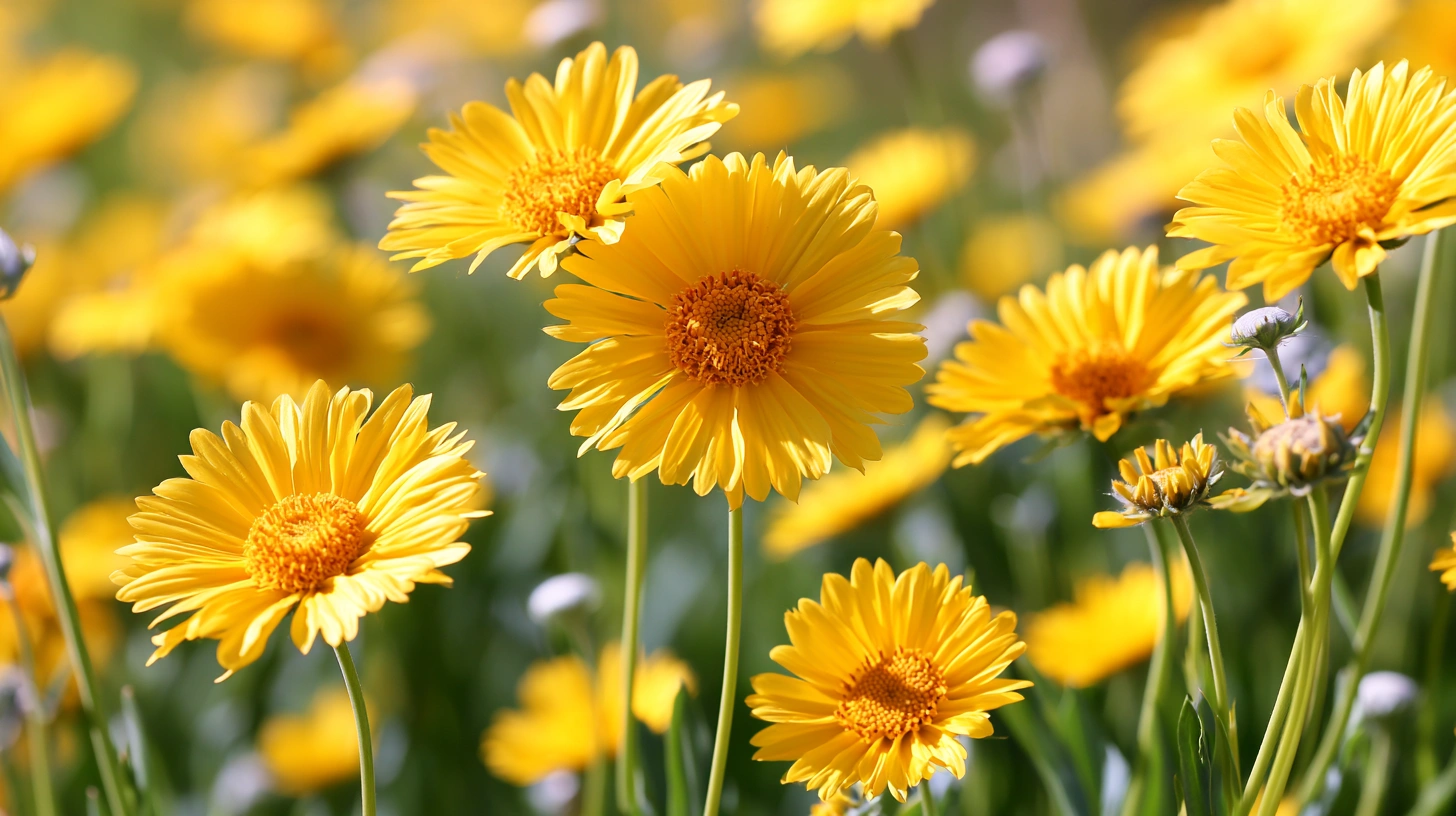
1. Desert Marigold (Baileya multiradiata)
This perennial flower features bright yellow blooms that can grow up to 2 feet tall. They typically bloom from late spring to fall, making them a fantastic choice for summer floral arrangements in Mesa. Their drought resistance is complemented by their cheerful appearance, attracting butterflies and pollinators.
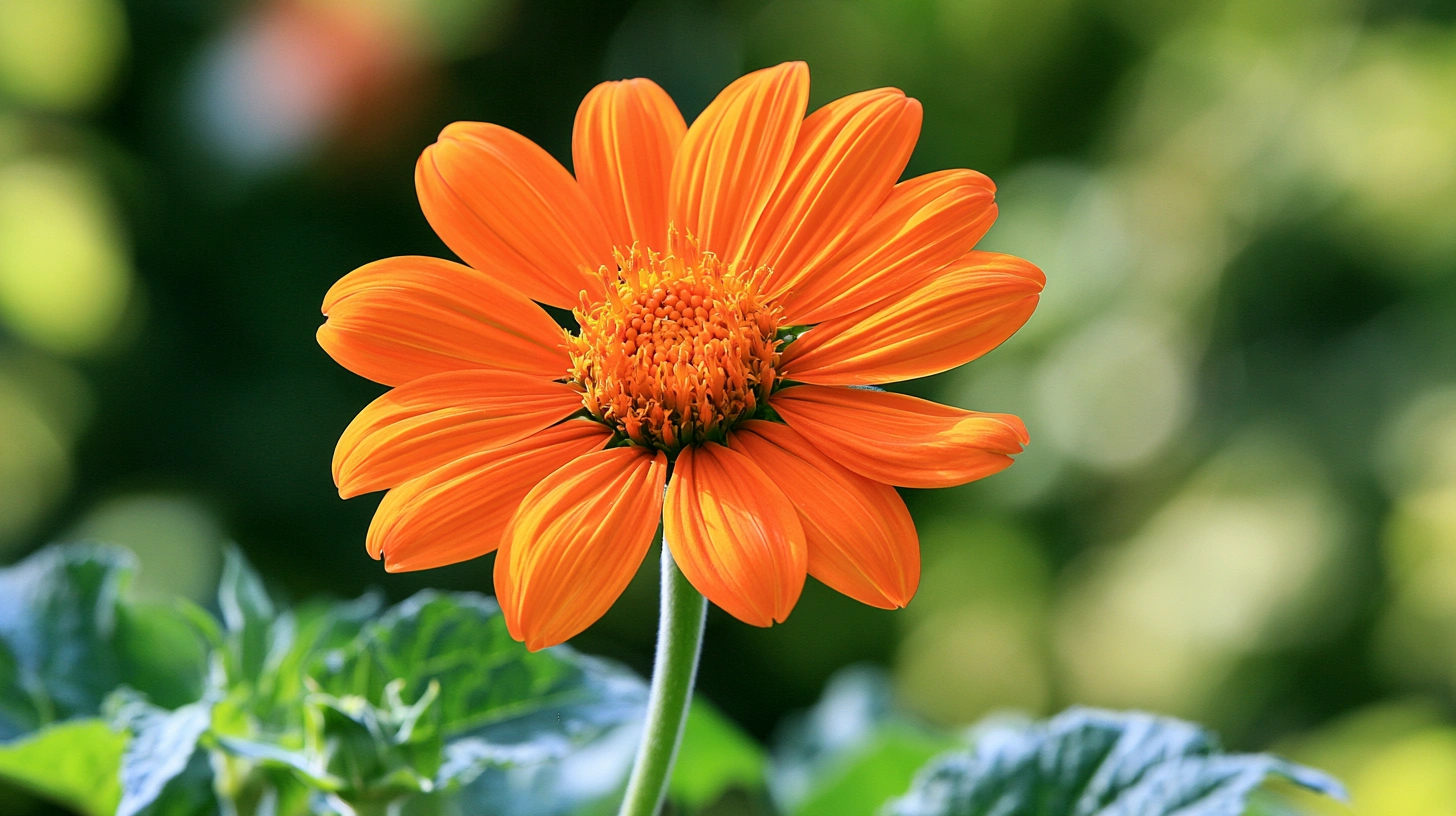
2. Mexican Sunflower (Tithonia rotundifolia)
Known for its striking orange color, the Mexican sunflower can grow as high as 5 feet. It blooms in summer and attracts bees and butterflies, adding a vibrant touch to any garden space. Its heat tolerance makes it a favorite among gardeners looking for low-maintenance options.
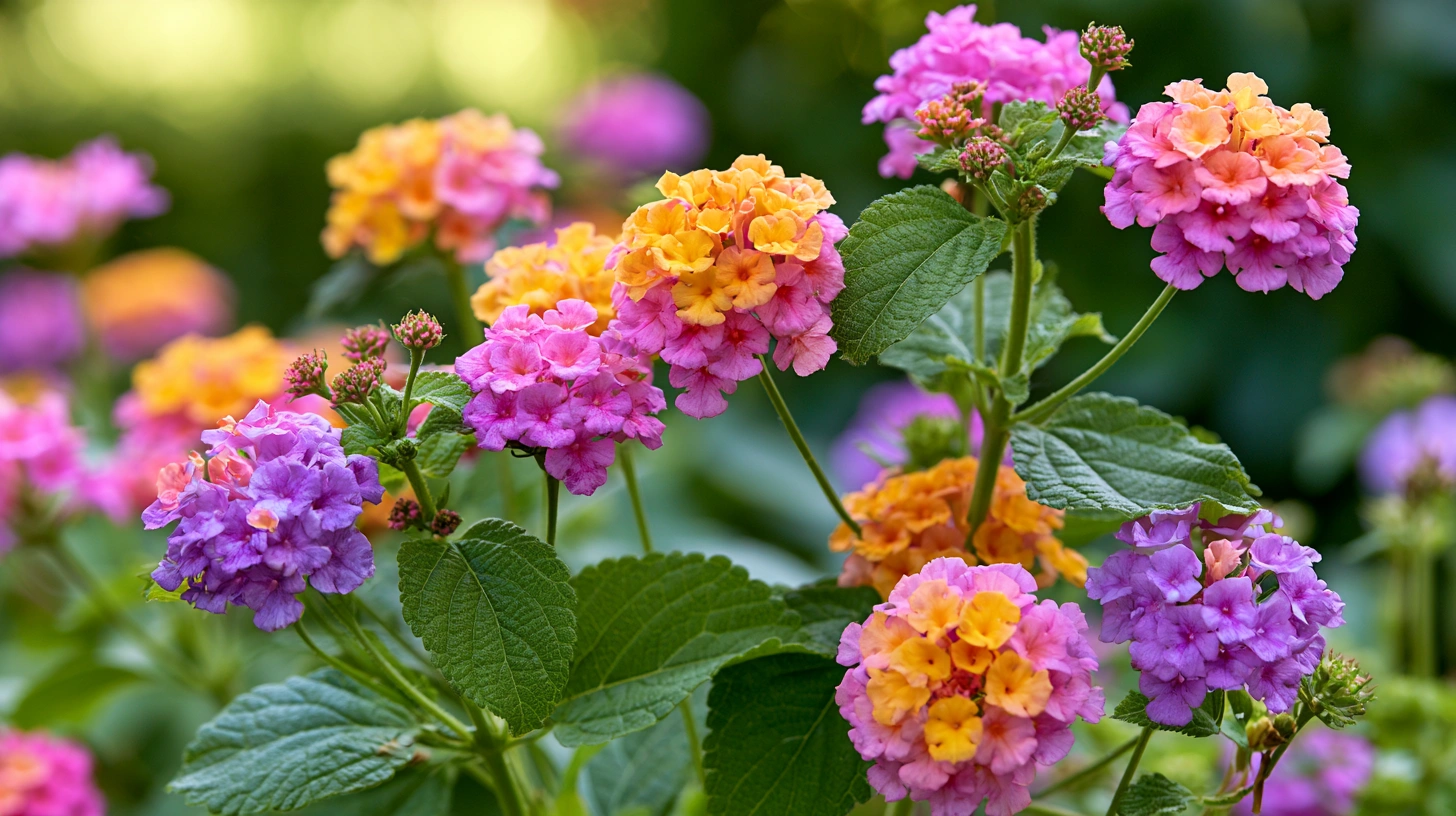
3. Lantana (Lantana camara)
Lantana is an exceptional choice, featuring clusters of colorful flowers ranging from yellow to purple. With a height of up to 3 feet, this perennial flourishes throughout summer and thrives in full sun, making it ideal for arid regions. Its ability to attract pollinators further enhances its appeal.
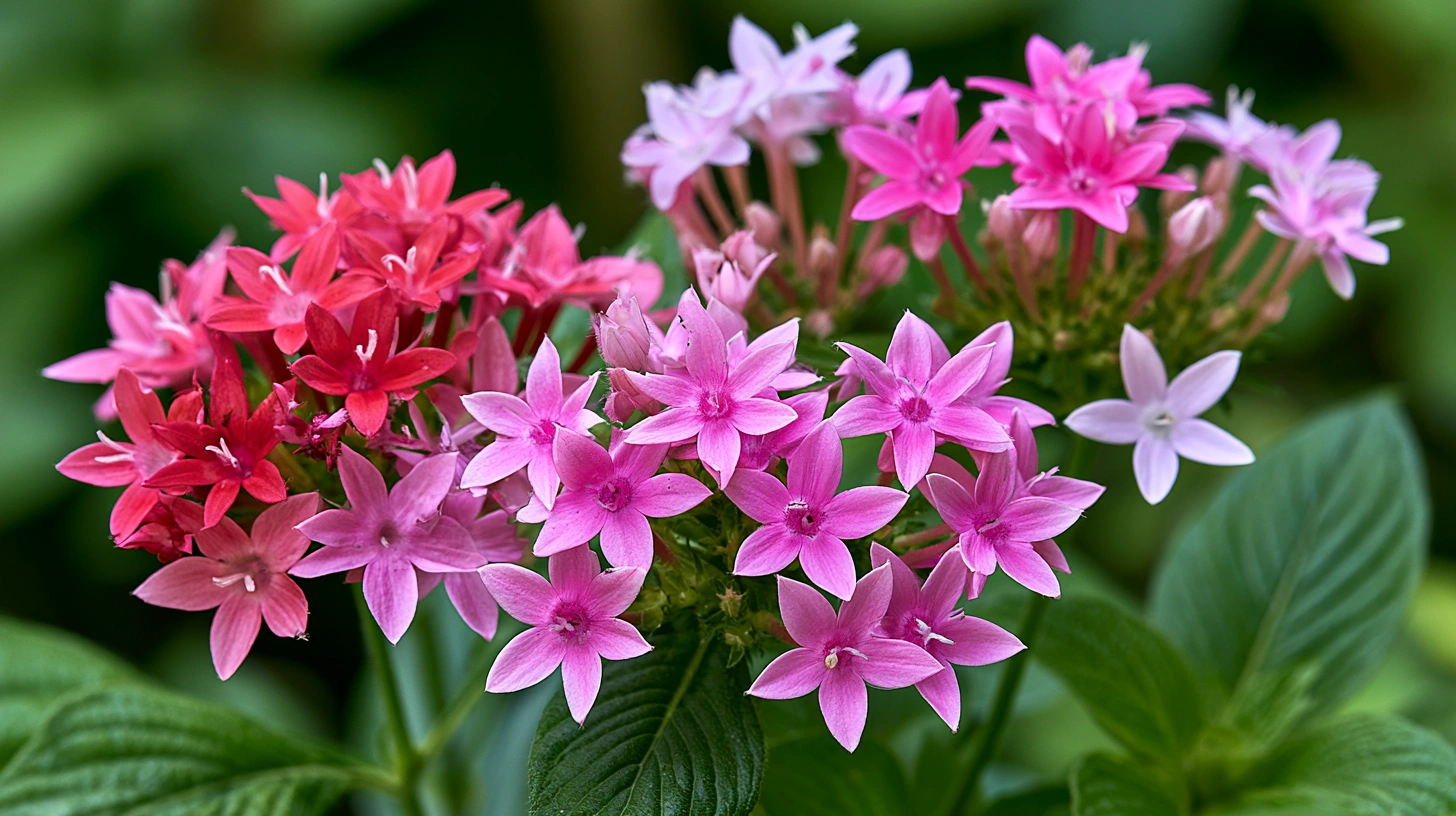
4. Penta (Pentas lanceolata)
Pentas are known for their star-shaped flowers, available in shades of pink, red, and white. They grow about 12 to 24 inches tall and bloom continuously from spring to fall, which allows for prolonged enjoyment in arrangements or as standalone plants in gardens.
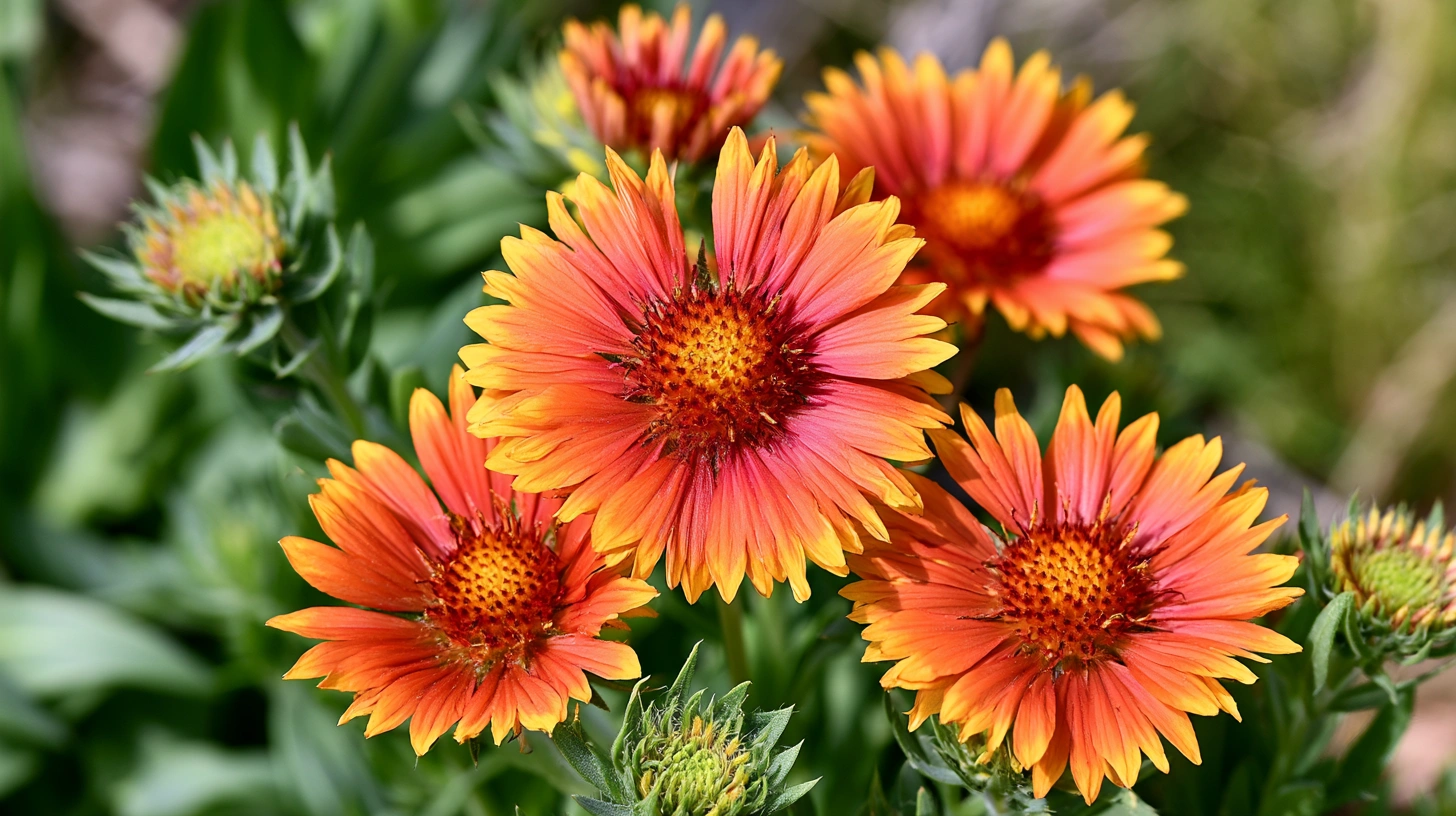
5. Blanket Flower (Gaillardia aristata)
This perennial showcases a unique color palette with reddish-orange flowers. Growing between 1 to 3 feet tall, blanket flowers bloom from late spring to early fall. Their resilience to heat and drought makes them perfect for summer floral arrangements in Mesa.
In conclusion, incorporating these heat tolerant flowers into your garden ensures a vibrant display even in the harshest summer conditions of Arizona. Their diverse colors, heights, and blooming seasons provide rich options for gardeners looking to beautify their landscape while adhering to the demands of a hot climate.
Tips for Planting Flowers in Extreme Heat
Planting flowers in extreme heat, particularly in regions such as San Tan Valley, necessitates careful planning and adaptation to the climate. Understanding the unique conditions of your environment is crucial for selecting appropriate heat tolerant flowers, which can enhance your summer floral arrangements.
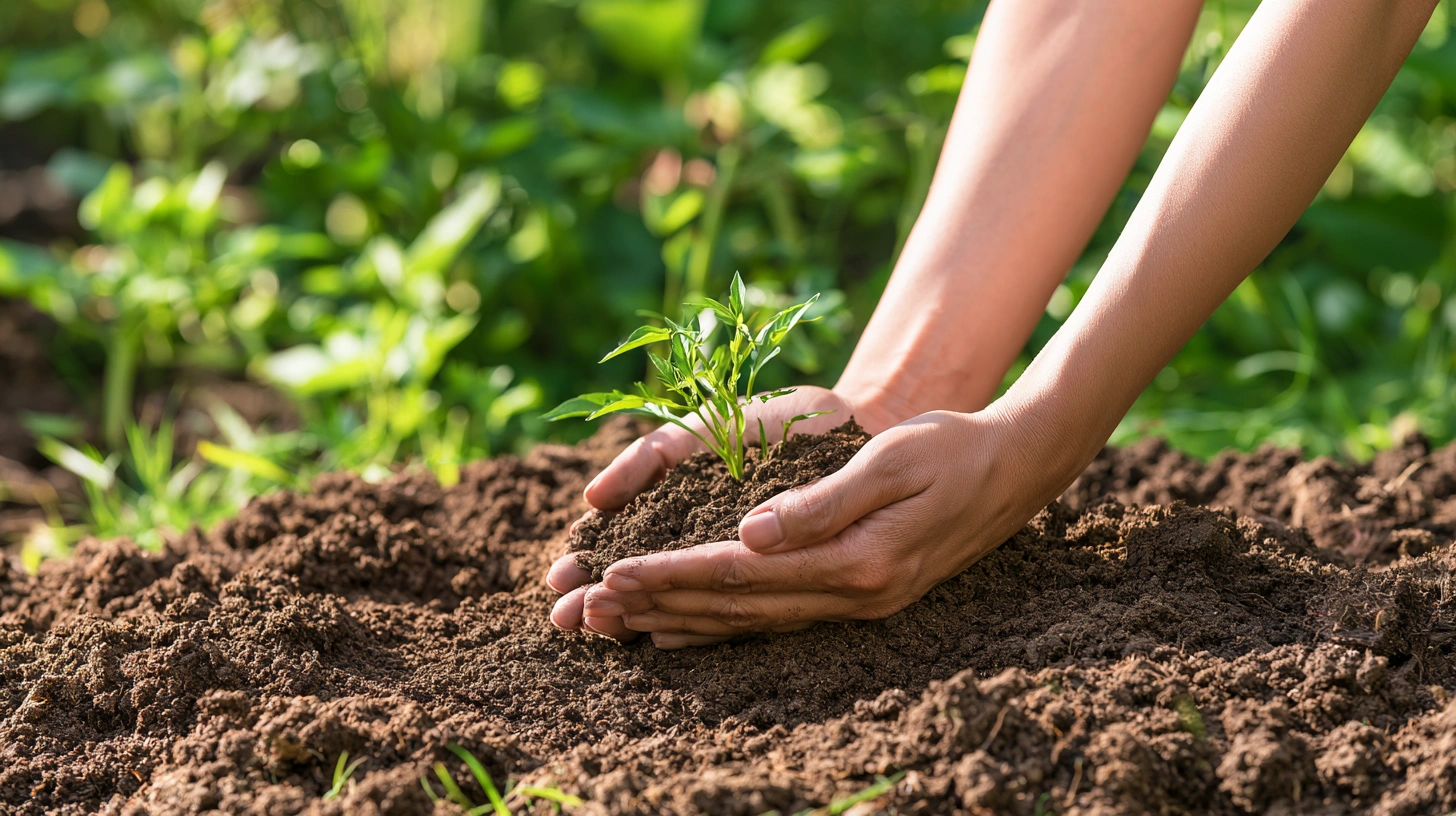
Before planting, ensure your soil is adequately prepared. The foundation of a healthy garden begins with fertile, well-draining soil. Consider adding organic matter such as compost to improve soil structure and retain moisture, which is essential for plants during the hottest months. A well-mixed soil can prevent water from pooling while allowing roots to access nutrients efficiently.
Timing is another critical aspect when it comes to planting heat tolerant flowers in Arizona. Ideally, start planting in early spring or late fall when temperatures are milder. This gives plants an opportunity to establish roots before facing the harsh summer heat. By avoiding mid-summer planting, you can significantly improve the survival rate of your blooms.
Watering practices must also be adjusted during extreme heat. Deep, infrequent watering encourages the roots of your heat tolerant flowers to grow deeper into the soil, accessing moisture stored below the surface. Morning is the optimal time to water, reducing evaporation and ensuring that your flowers remain hydrated throughout the day.
Moreover, consider incorporating mulch into your planting strategy. A layer of mulch helps to insulate the soil, keeping it cooler and retaining moisture longer. The additional benefit of mulch is its ability to suppress weed growth, which can otherwise compete with your flowers for valuable resources.
Lastly, don’t forget about providing some shade for your garden as the temperature rises. Temporary shade structures can protect young plants from the intense sun during the peak hours of the day, helping them to thrive despite the harsh conditions. By following these tips, you can successfully cultivate a vibrant garden filled with heat tolerant flowers throughout the summer months.
Watering Strategies for Summer Flowers
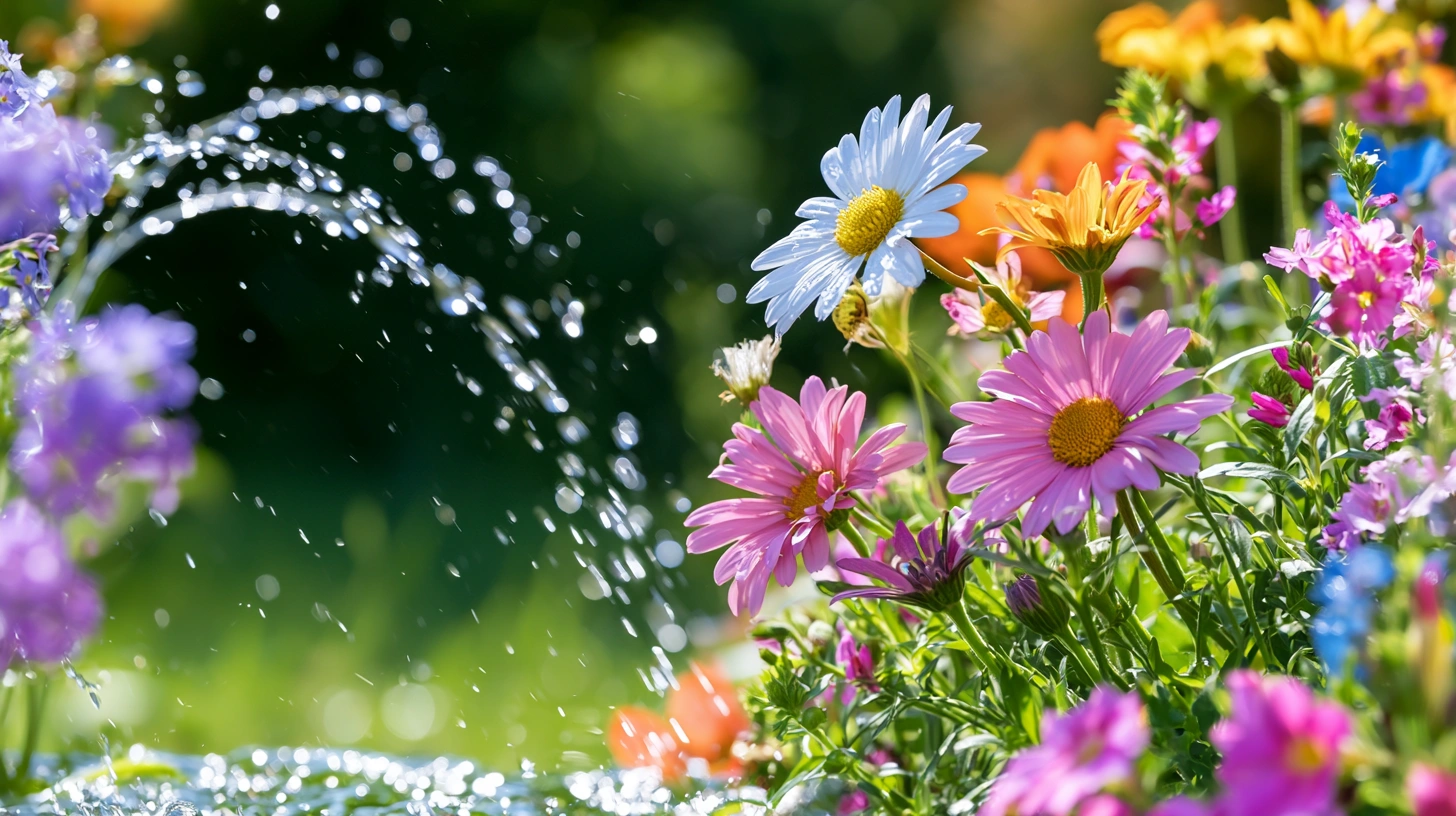
Maintaining adequate hydration for heat tolerant flowers in Arizona is crucial, particularly during the intense summer months. Proper watering practices not only ensure that these resilient blooms thrive but also help conserve water, a precious resource in arid climates. The timing, frequency, and method of irrigation can significantly impact the health of your summer floral arrangements in Mesa and across the region.
One effective strategy is to water early in the morning or late in the evening. During these cooler times of day, evaporation rates are lower, allowing more water to seep into the soil where it is most needed. This practice is especially beneficial for heat tolerant flowers, as it helps prevent the roots from undergoing stress during the hottest parts of the day.
In terms of frequency, established heat tolerant flowers generally require less frequent watering than newly planted varieties. A good rule of thumb is to deeply water them once or twice a week, depending on specific soil conditions and weather patterns. New plants, however, may need water more often as they establish their roots. Always monitor the soil moisture to ensure it is adequately hydrated, as different flower species may have varying water requirements.
When it comes to irrigation methods, drip irrigation systems are highly effective in delivering moisture directly to the roots, reducing evaporation and promoting healthier growth. Alternatively, soaker hoses can also be used for an efficient watering solution, ensuring that the water soaks into the ground rather than running off. Avoid overhead irrigation during peak heat, as this can lead to water loss and may increase the risk of fungal diseases.
Implementing these watering strategies will not only support the summer blooms in your garden but will also contribute to a more sustainable approach to gardening in hot climates. By taking the time to develop effective watering habits, you can enjoy a vibrant array of heat tolerant flowers throughout the hot summer months in AZ.
Creating Stunning Summer Floral Arrangements
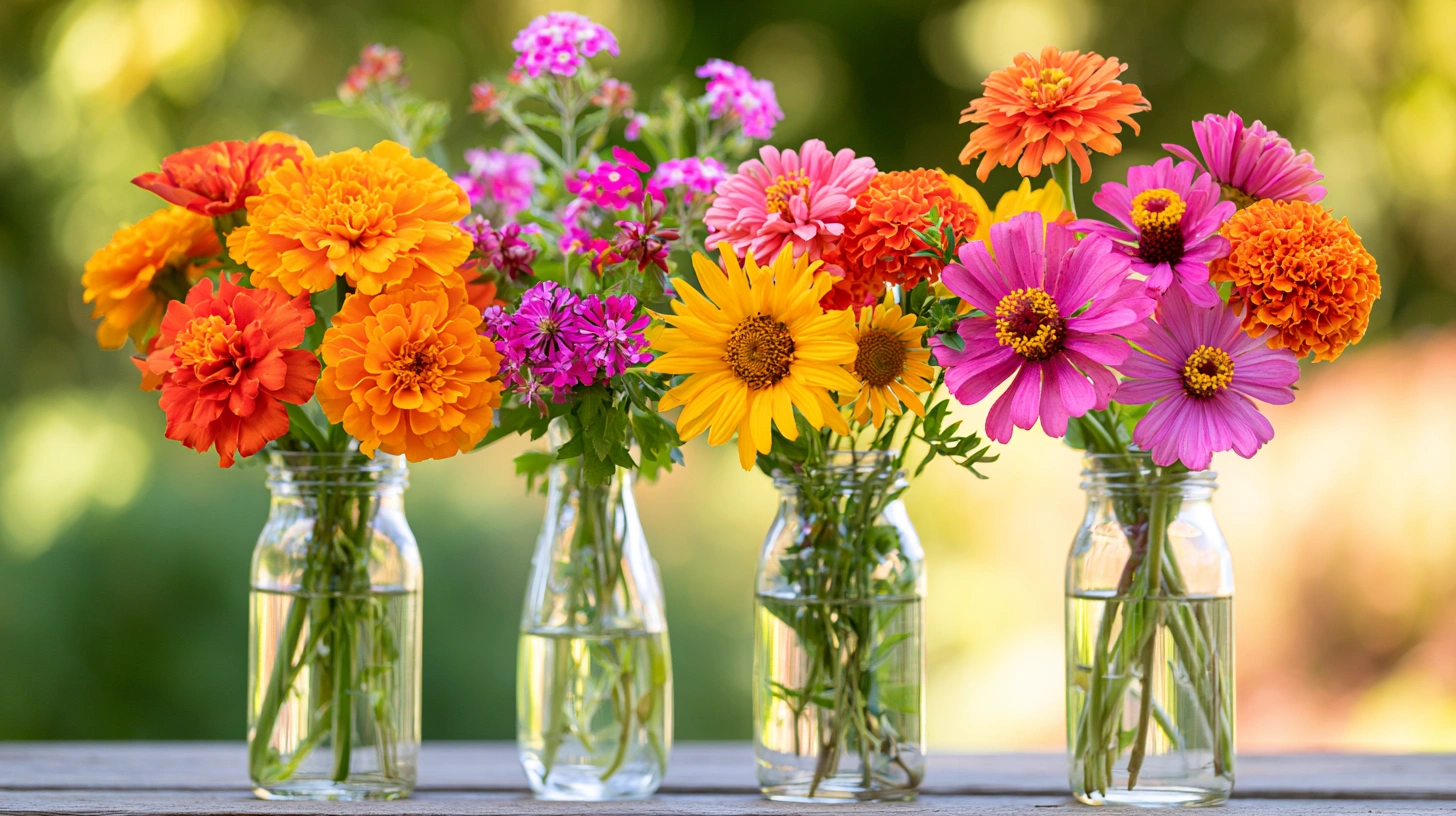
In the heat of summer, crafting beautiful floral arrangements can be a challenge, especially in sunny regions such as San Tan Valley. However, using heat tolerant flowers is an effective way to ensure your arrangements remain vibrant and fresh despite the sweltering temperatures. These robust flowers can withstand intense sunlight and require minimal maintenance, making them ideal for summer floral arrangements.
When selecting flowers, consider the colors and varieties that not only thrive in Arizona’s climate but also complement each other. For example, heat tolerant flowers in AZ such as zinnias, marigolds, and desert willows can be combined for a striking visual appeal. Zinnias offer a range of bright colors, while marigolds add a warm touch, perfect for creating cheerful arrangements. Incorporating these flowers will not only provide resilience but also ensure that your arrangements burst with color.
To enhance the aesthetic of your summer blooms, it’s crucial to consider the design principles of balance, contrast, and texture. Begin by focusing on a central focal point—this can be a larger bloom or an eye-catching piece of greenery. Surround this focal point with varying sizes and colors of your chosen heat tolerant flowers, allowing for a harmonious flow within the arrangement. Utilize greenery such as succulents or ornamental grasses, which are also heat resilient, to add depth and texture.
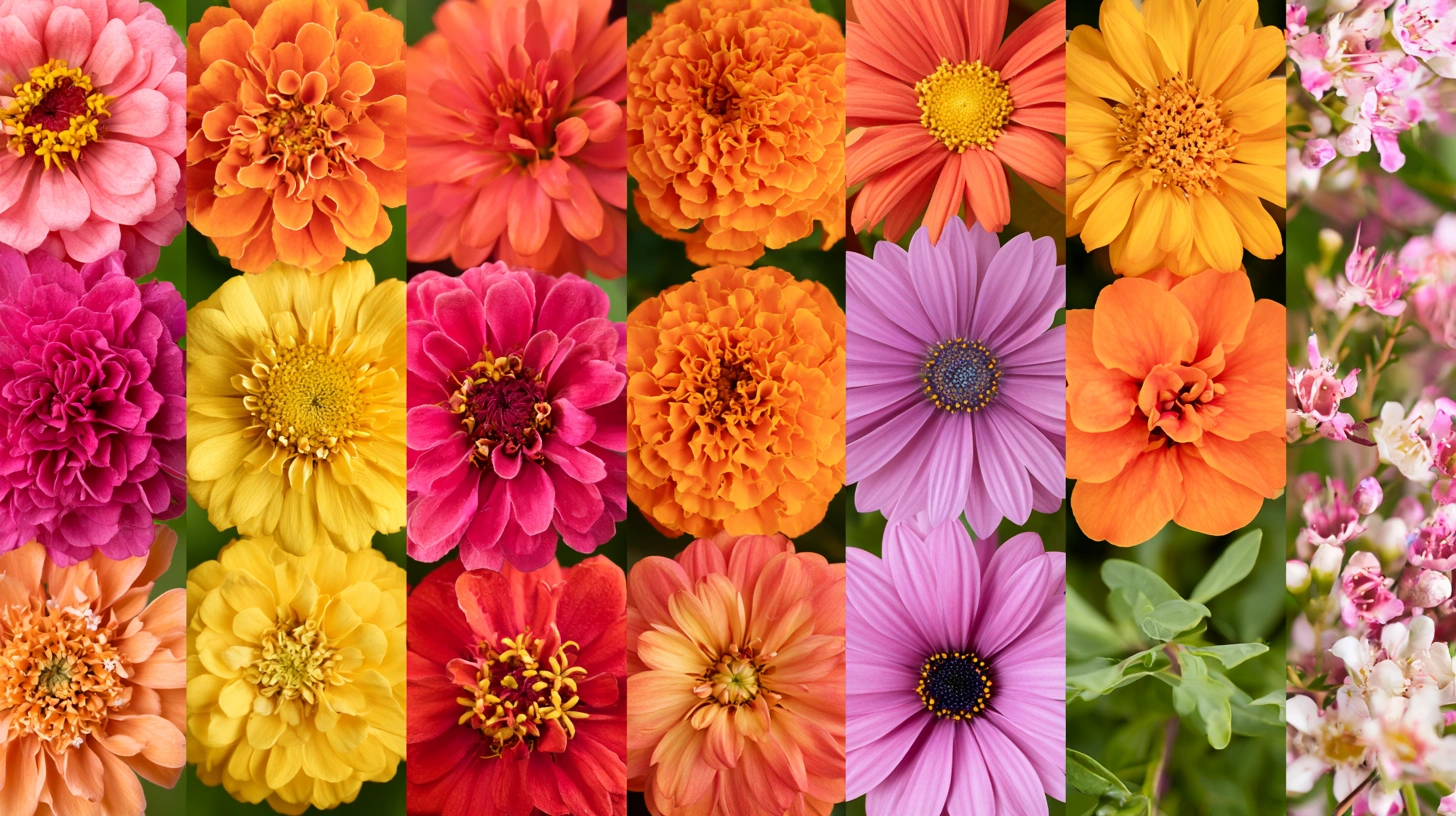
Height variation is also essential in designing captivating floral arrangements. By arranging flowers at different heights, you create visual interest. Additionally, using vases that complement your flowers can further enhance your designs. Clear glass vases help showcase the beauty of the blooms, while ceramic pots can lend a rustic touch.
In conclusion, by selecting heat tolerant flowers and following key design principles, you can create stunning arrangements that thrive in the heat and bring joy to your home throughout the summer months. Emphasizing strategic combinations and aesthetics will ensure your floral displays are both beautiful and resilient.
Maintaining Indoor Flower Displays in High Heat
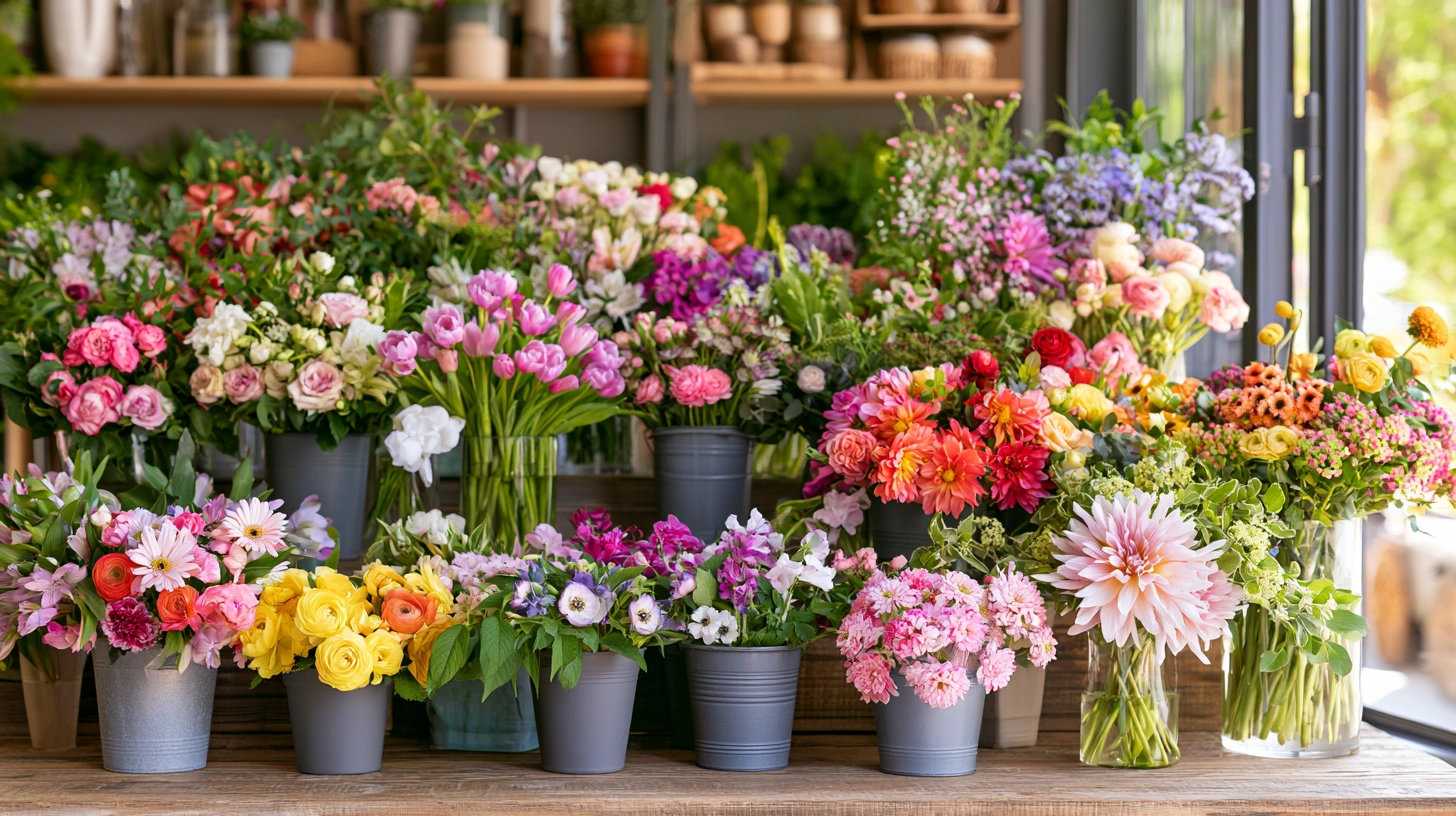
During the sweltering summer months, preserving the beauty and longevity of indoor flower displays becomes essential, especially in regions like San Tan Valley where temperatures can soar. To ensure your arrangements remain vibrant and healthy, several key factors must be considered, including temperature regulation, lighting conditions, and watering needs.
First and foremost, maintaining an optimal indoor temperature is crucial. Ideally, indoor spaces should be kept between 68°F to 72°F (20°C to 22°C). Avoid placing your flower arrangements near heat sources such as air vents, direct sunlight, or appliances that can elevate temperatures. Instead, select cooler areas of your home, away from these heat sources, to help prolong the freshness of your blooms.
Light conditions also play a significant role in the care of indoor flower displays. While most heat tolerant flowers thrive in bright light, the harshness of direct sunlight can wilt and damage delicate petals. Consider using sheer curtains to diffuse sunlight or select windows that receive indirect light throughout the day. Monitor the lighting conditions regularly and adjust as necessary—some varieties may benefit from rotating their position to ensure all sides receive adequate but gentle light exposure.
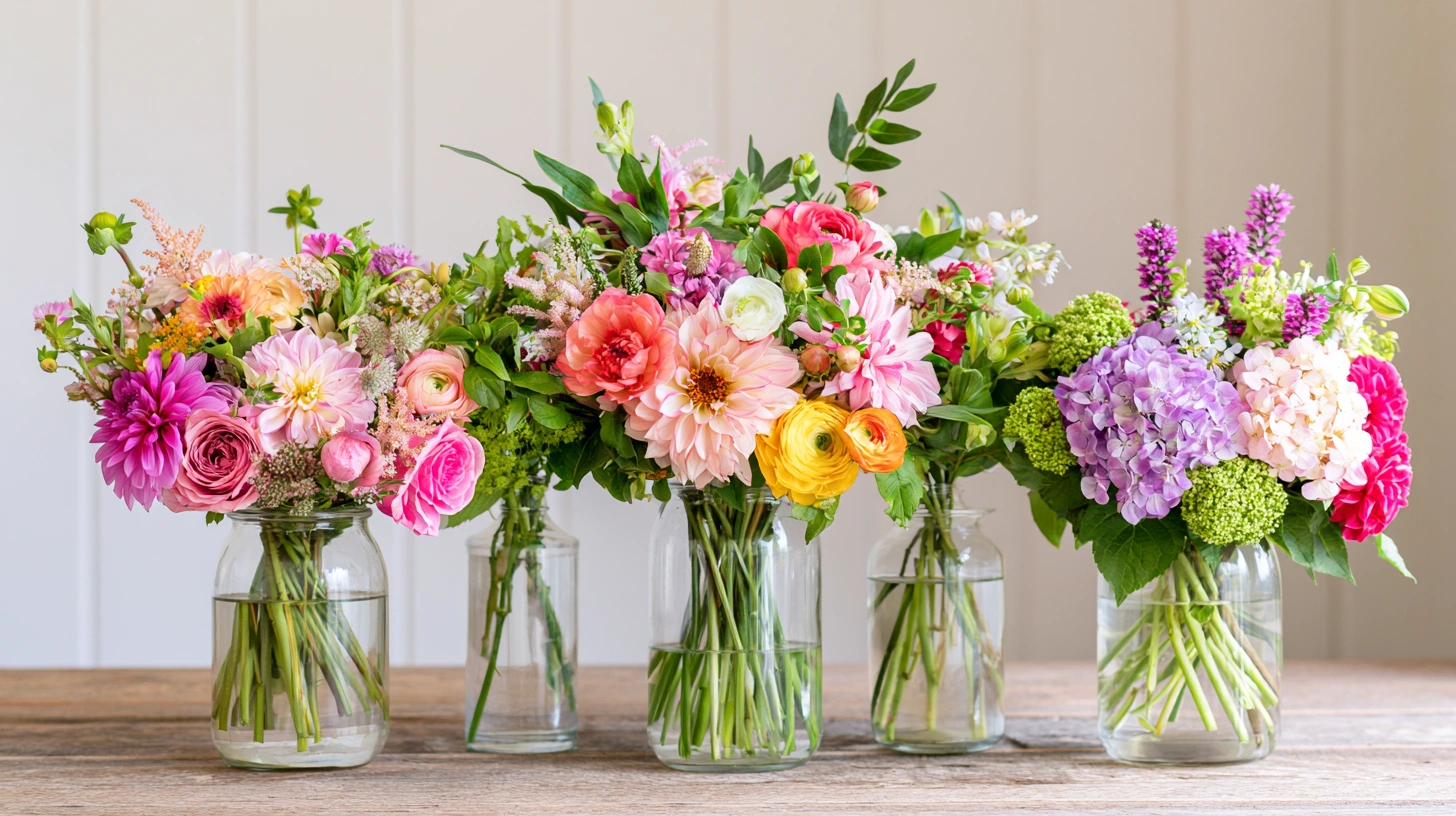
Watering needs change with temperature; therefore, it is necessary to adapt your routine. Indoor arrangements generally require more frequent watering in high heat, but caution is advised to prevent root rot. Ensure each arrangement is well-drained, and check the moisture levels by gently touching the soil. Water the flowers when the top inch of soil feels dry, allowing runoff to exit the pot. Additionally, utilizing a misting technique can help maintain humidity around your blooms, which is beneficial for plants that require more moisture.
By managing temperature, light, and watering effectively, you can cultivate stunning summer floral arrangements. These practices will not only enhance the aesthetics of your indoor space but also nurture the vibrancy of heat tolerant flowers visible throughout the summer months, making them a lasting joy in your home.
Choosing Native Arizona Plants for a Drought-Resistant Garden
When considering a drought-resistant garden in San Tan Valley, opting for native Arizona plants is an excellent choice. These heat tolerant flowers are adapted to the local climate, which means they require less water, are easier to maintain, and provide a sustainable option for gardening enthusiasts. Incorporating native species not only enhances the beauty of your garden but also contributes to the preservation of local ecosystems.
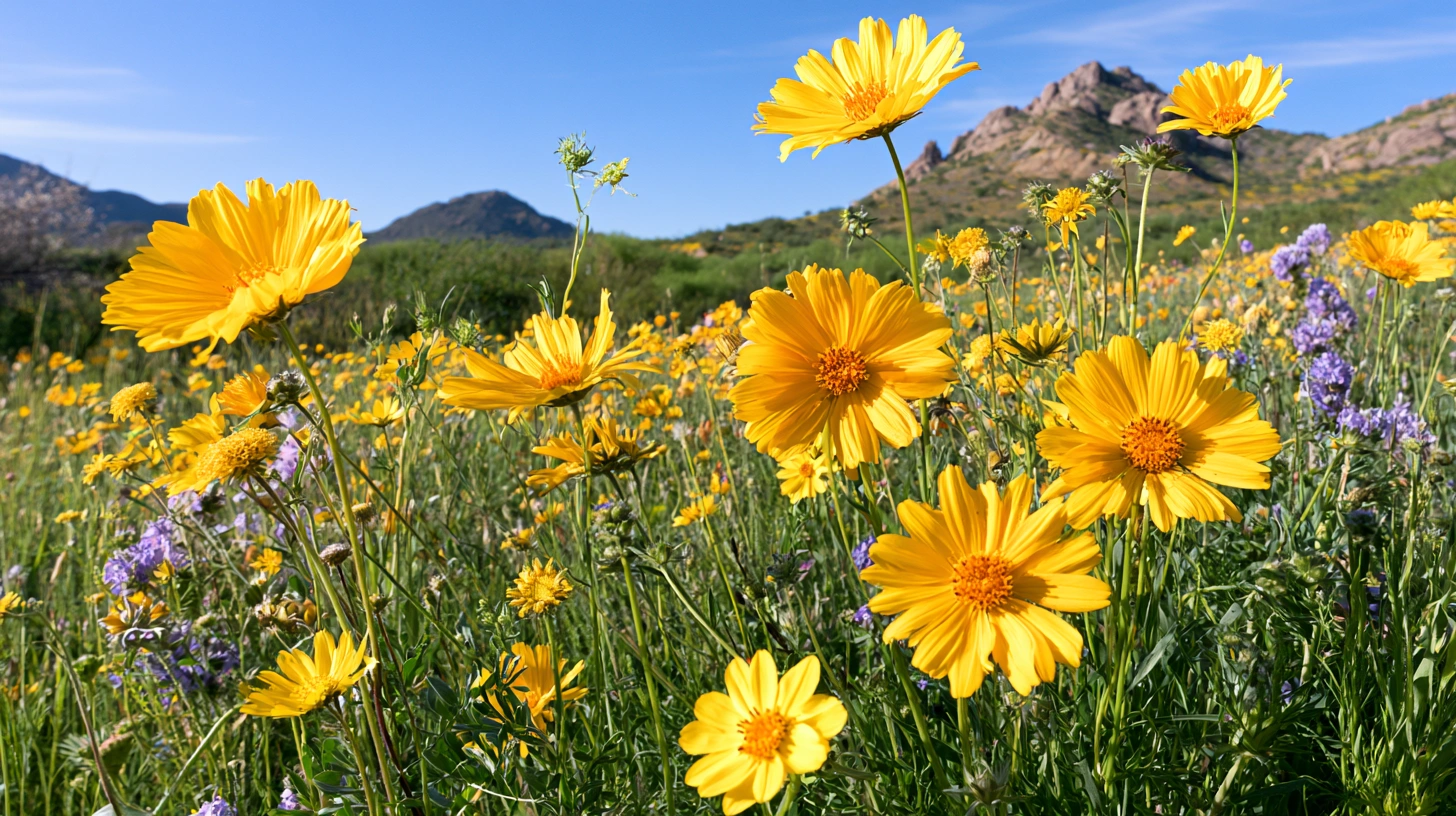
Among the numerous heat tolerant flowers in AZ, the desert marigold, a bright yellow bloom, stands out for its resilience and ability to thrive in arid conditions. This perennial flower requires minimal watering once established, making it an ideal candidate for low-maintenance landscaping. Similarly, the blue phacelia offers not only striking visual appeal but also vital nectar for pollinators, highlighting the importance of native plants in promoting biodiversity.
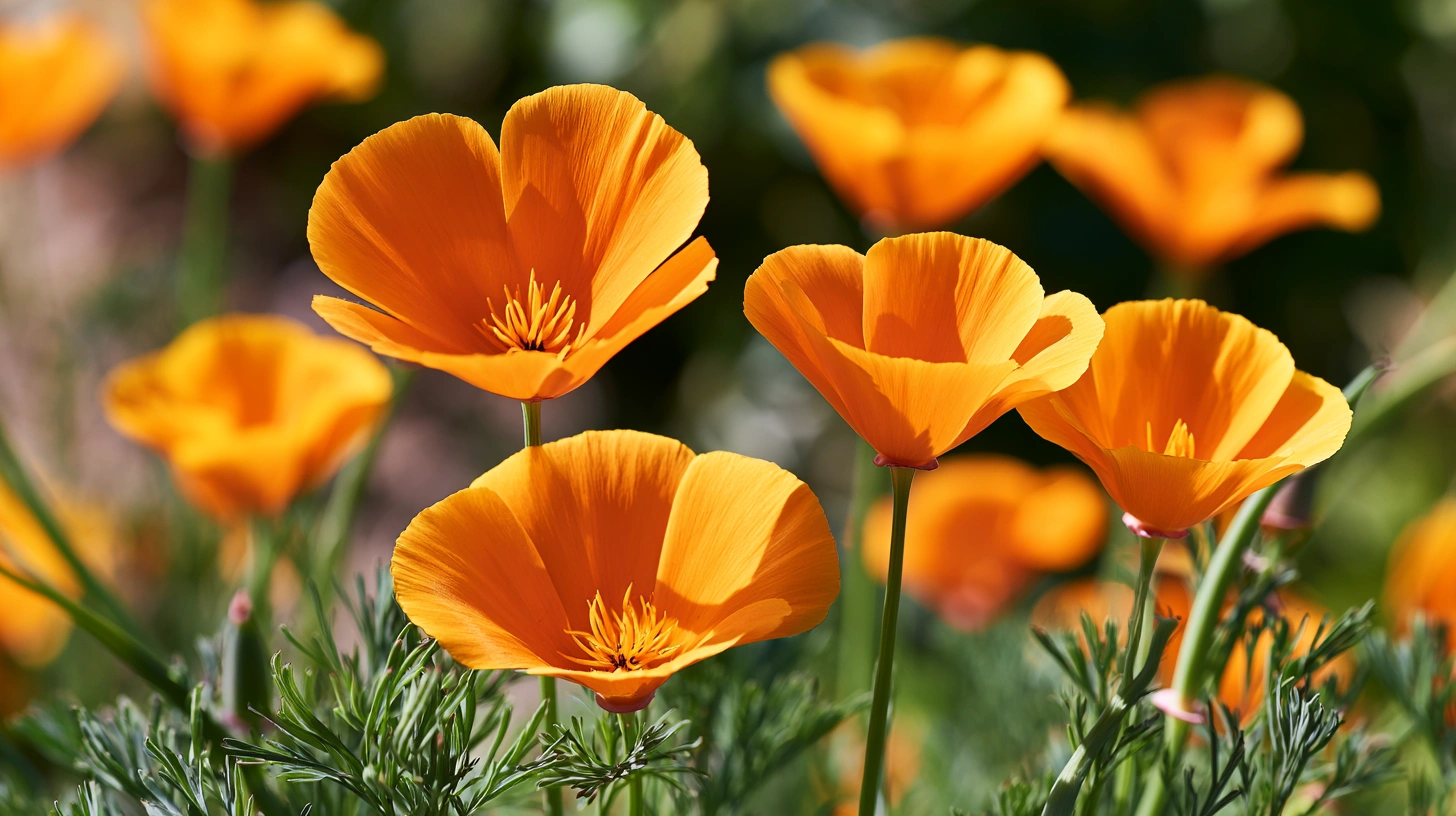
Another excellent option is the Mexican gold poppy, known for its vibrant orange hue. This flower flourishes in full sun and tolerates poor soil conditions, making it a fantastic choice for those looking to create stunning summer floral arrangements in Mesa and surrounding areas. By introducing these native plants into your garden, you can effectively create an appealing aesthetic while simultaneously aiding in water conservation efforts.
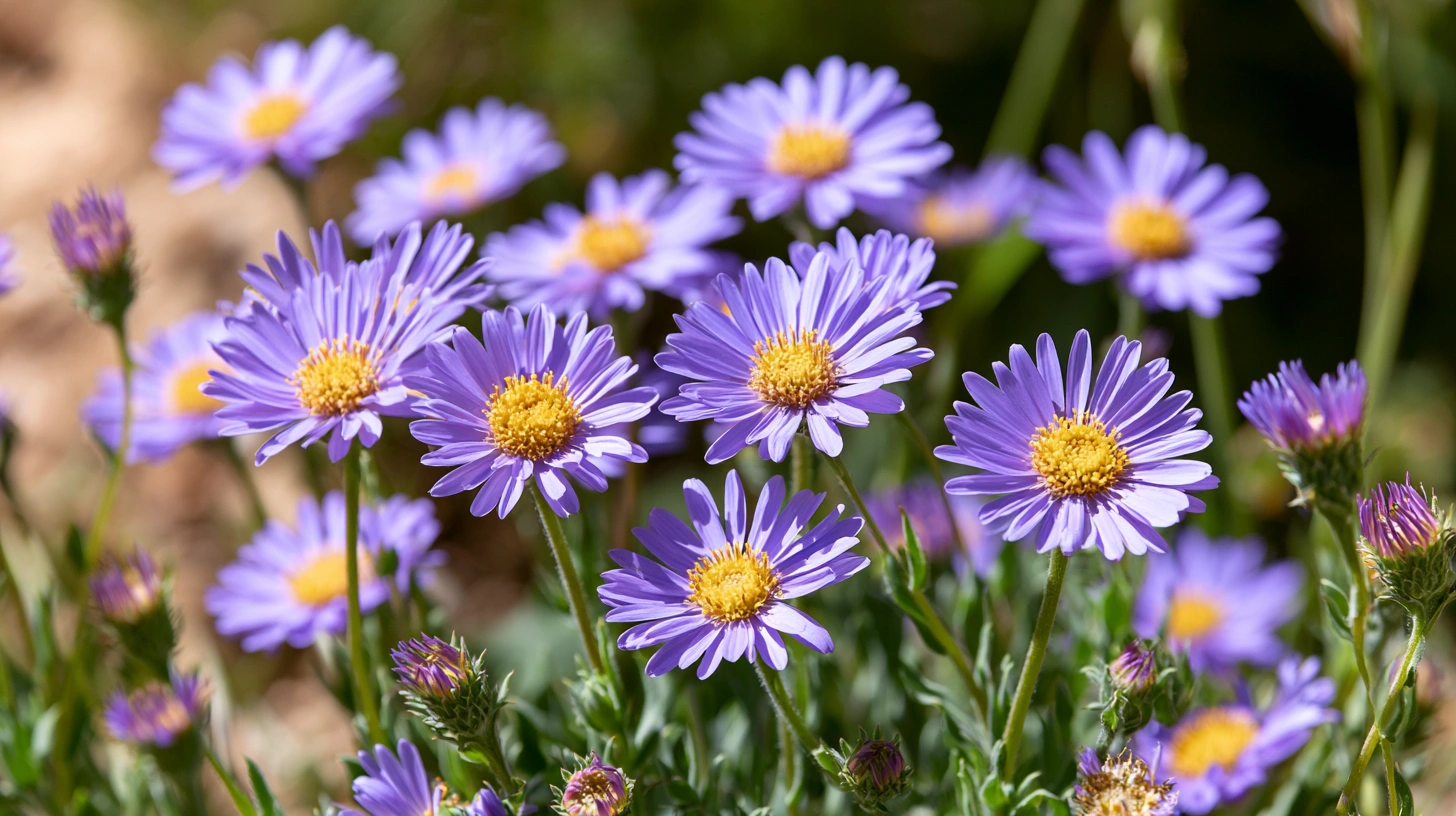
Moreover, native plants demonstrate adaptability to local pests and diseases, reducing the need for chemical interventions. As such, incorporating them into your garden supports an eco-friendly approach to gardening, promoting sustainability through the use of heat tolerant flowers that enhance soil quality and protect our natural landscapes. By selecting Arizona’s native flora, gardeners can ensure vibrant blooms that withstand high temperatures and prolonged dry spells, making them a reliable choice for any drought-resistant garden.
Popular Floral Festivals and Events in Arizona
Arizona is home to an array of vibrant floral festivals and events that celebrate the beauty of heat tolerant flowers, providing residents and visitors alike with the opportunity to enjoy stunning summer floral arrangements. These seasonal events typically showcase local growers, floral designers, and gardeners, highlighting the region’s unique capacity to cultivate flowers that thrive in hot climates.
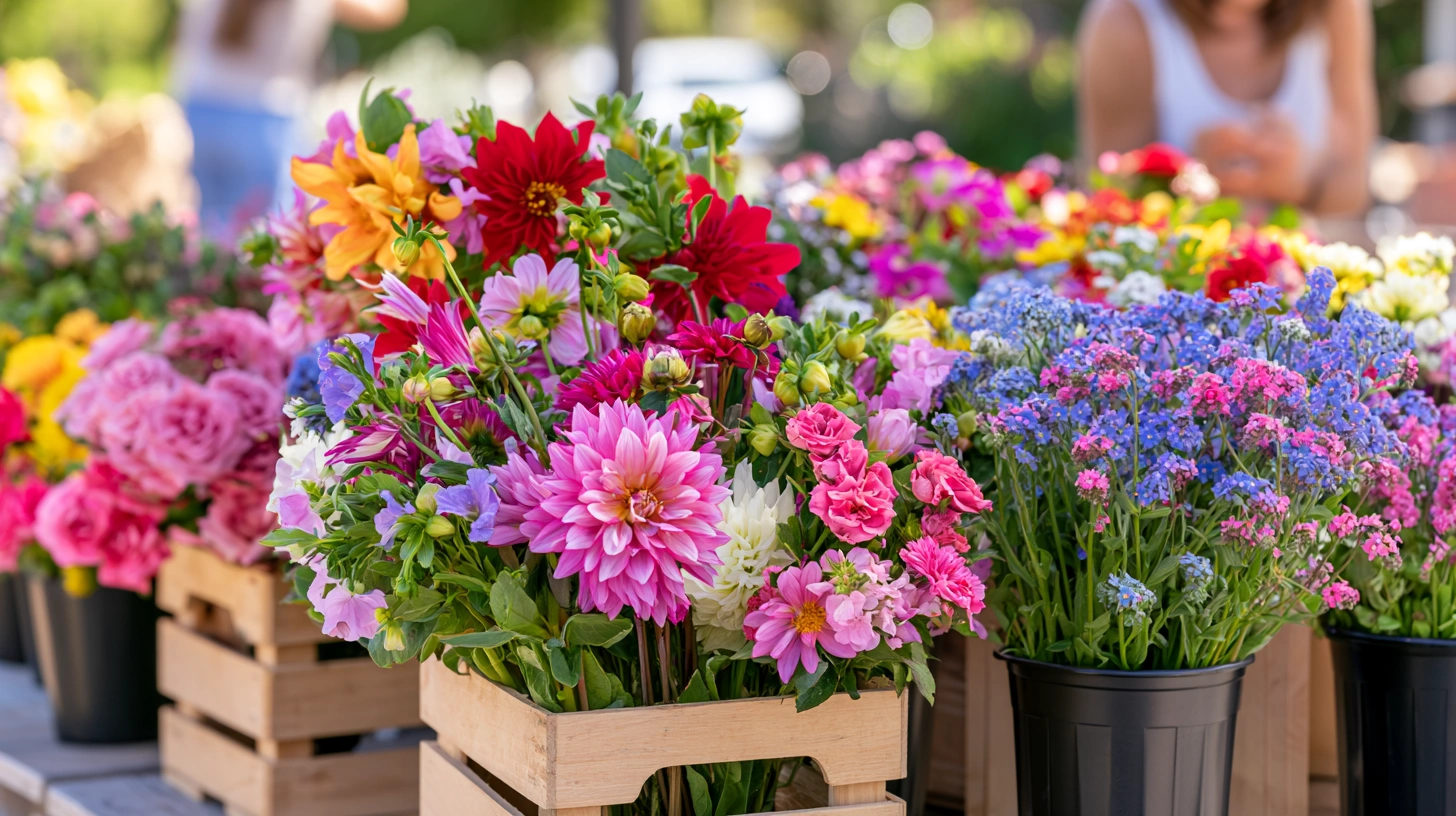
One notable event is the Arizona Flower & Garden Show held annually in Phoenix. This event is a gathering point for floral enthusiasts, featuring lavish displays of summer blooms, including a variety of heat tolerant flowers suitable for the warm Arizona climate. Attendees can participate in workshops and demonstrations held by local experts, learning techniques for creating beautiful summer floral arrangements. The show also includes vendor booths where local growers sell their heat tolerant flower varieties, contributing to the local economy and promoting sustainable gardening practices.
Another significant festival is the Tucson Botanical Gardens’ annual Flower Festival, which highlights the best of Arizona’s blooming flora. This festival is a fantastic opportunity for visitors to explore various heat tolerant flowers while enjoying guided tours showcasing summer arrangements. The event is designed to inspire gardening enthusiasts to incorporate more heat tolerant varieties into their gardens, ensuring that their floral displays remain stunning even in the intense Arizona heat.
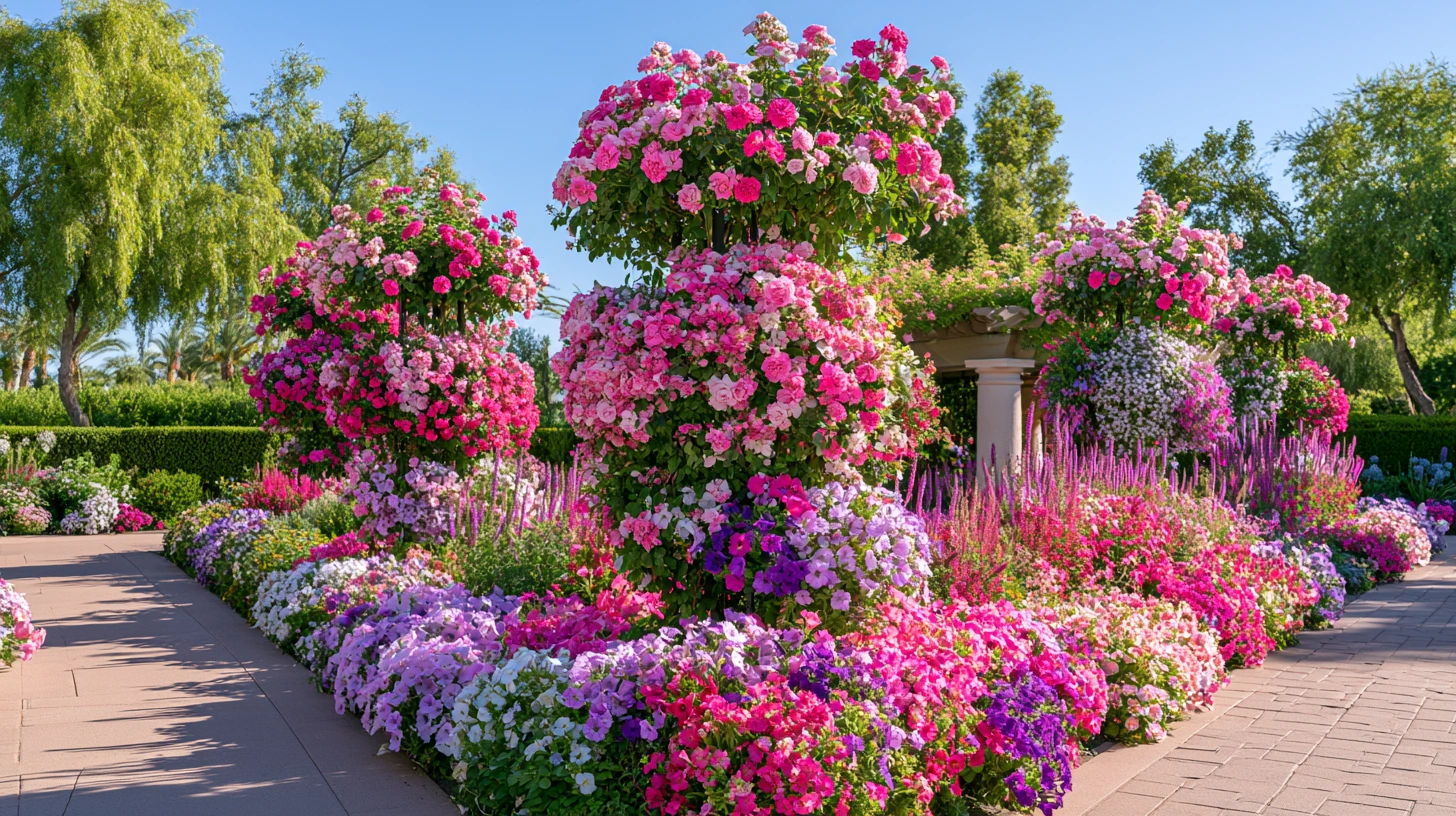
In Mesa, the Summer Sunflower Festival attracts many flower lovers eager to see the beautiful sunflowers in full bloom. This festival emphasizes the importance of selecting the right climate-appropriate flowers, including various heat tolerant flowers that not only endure but flourish during the arid summer months.
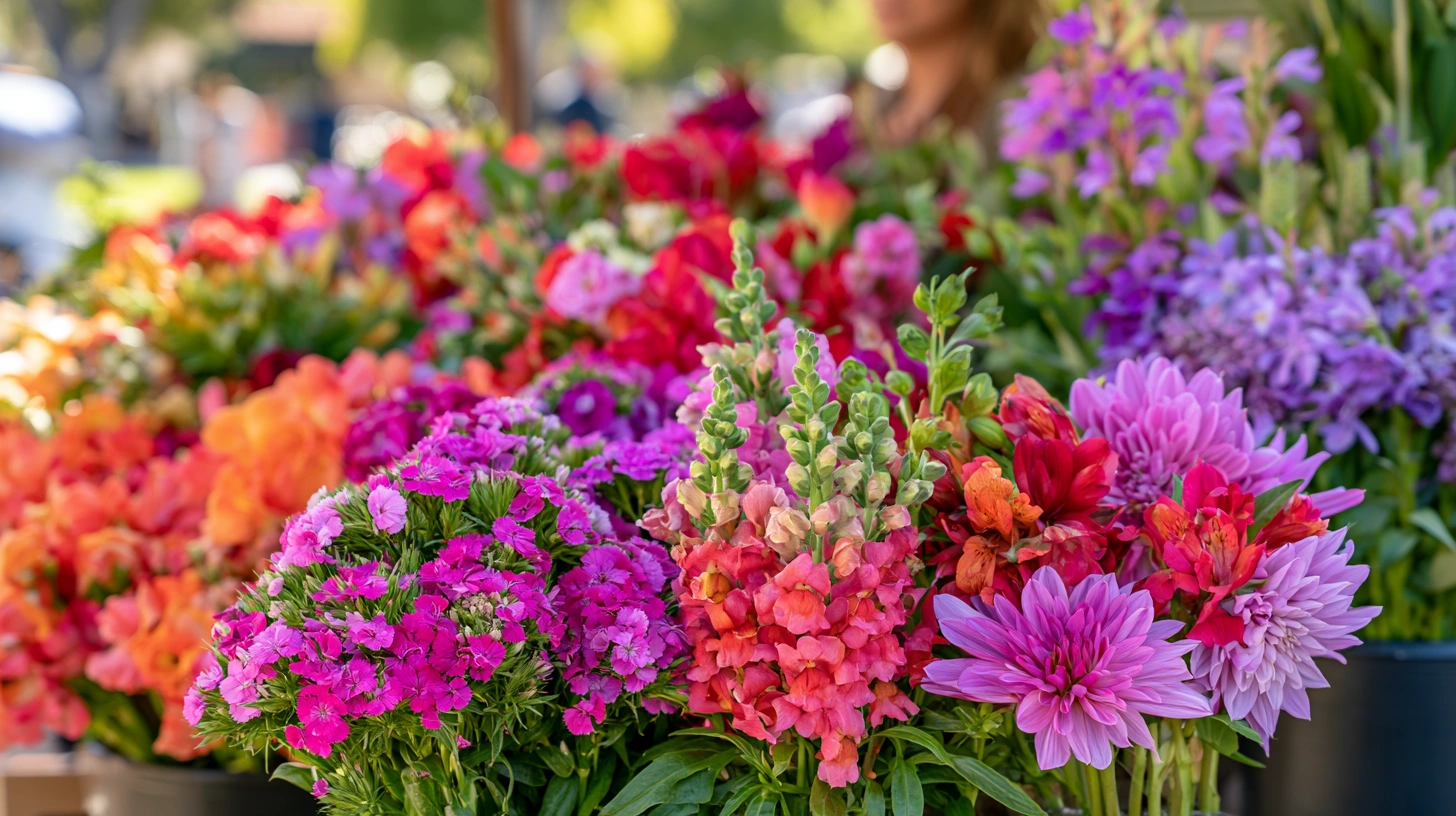
These floral festivals not only serve as celebrations of nature’s beauty but also provide invaluable resources for discovering local flower growers, offering a rich array of options for anyone interested in cultivating heat tolerant flowers in AZ. With each event, the interconnectedness of the community grows, fostering a greater appreciation for sustainable gardening and the flora that thrives within the region.
Conclusion: Embracing the Beauty of Summer Colors
As we have explored throughout this guide, the vibrant world of summer blooms offers an array of choices that not only withstand the intense heat but also elevate the aesthetics of gardens in San Tan Valley. Heat tolerant flowers, such as lantana and alyssum, provide not just beauty but also resilience, allowing gardeners to create stunning summer floral arrangements that can thrive despite the grueling conditions typical of Arizona’s climate.
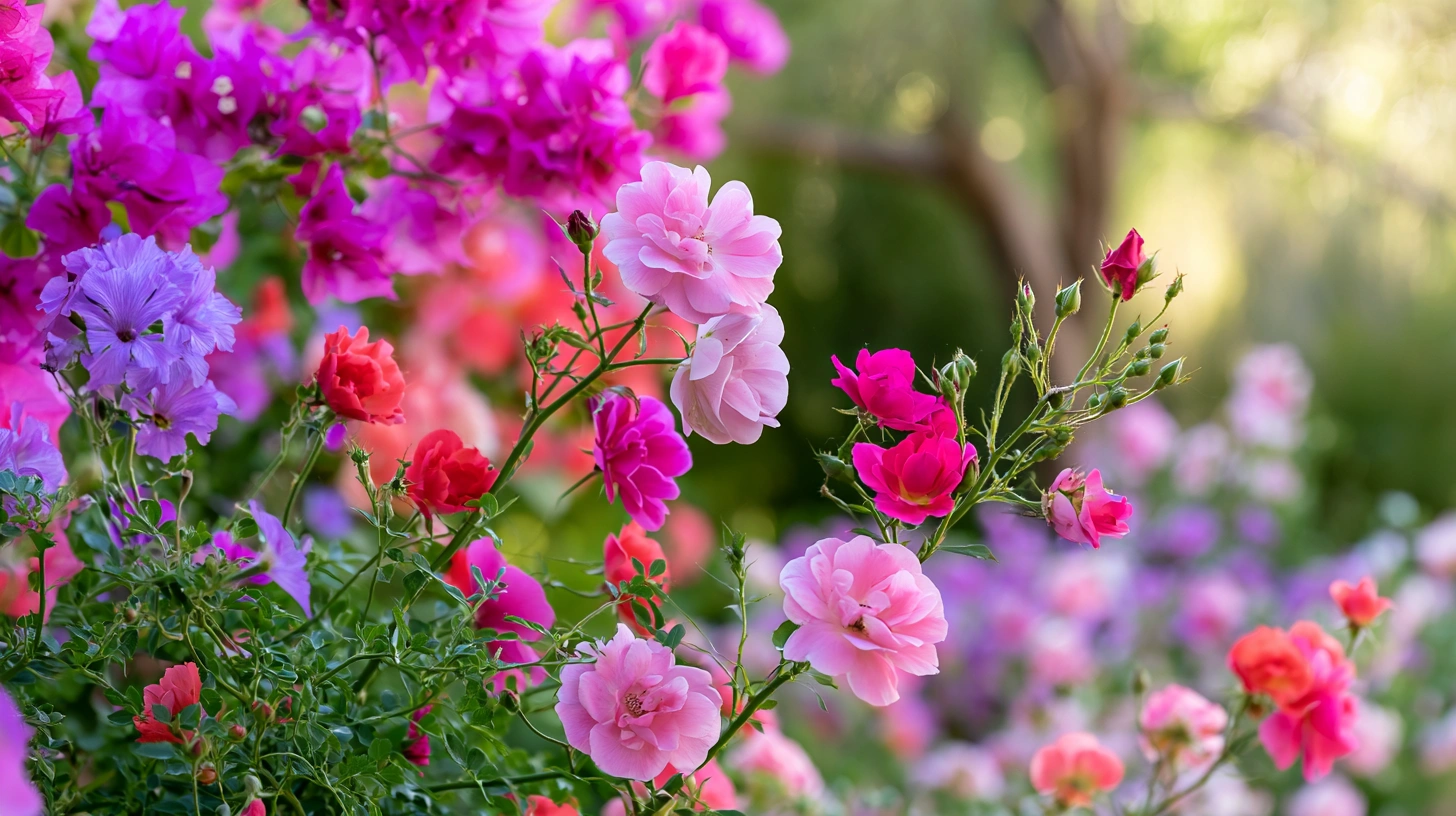
Embracing these flowers means participating in a gardening experience that is rewarding both visually and emotionally. The adaptability of these summer blooms encourages creativity; whether in selecting shades that complement one another or choosing plants with varying heights and textures, the possibilities are extensive. Heat tolerant flowers AZ have proven to be remarkable companions in landscape design, requiring less water and maintenance, thus allowing busy gardeners to enjoy the fruits of their labor without substantial effort.
In addition to practical considerations, engaging with nature through gardening has profound mental health benefits. The process is not merely about planting flowers but nurturing life, connecting with the seasons, and cultivating patience. As one watches the vibrant colors emerge, there is a delightful anticipation of the beauty that unfolds throughout the summer months. This engagement with summer floral arrangements in Mesa and surrounding areas fosters a sense of community among gardeners, as they share tips, successes, and even challenges.
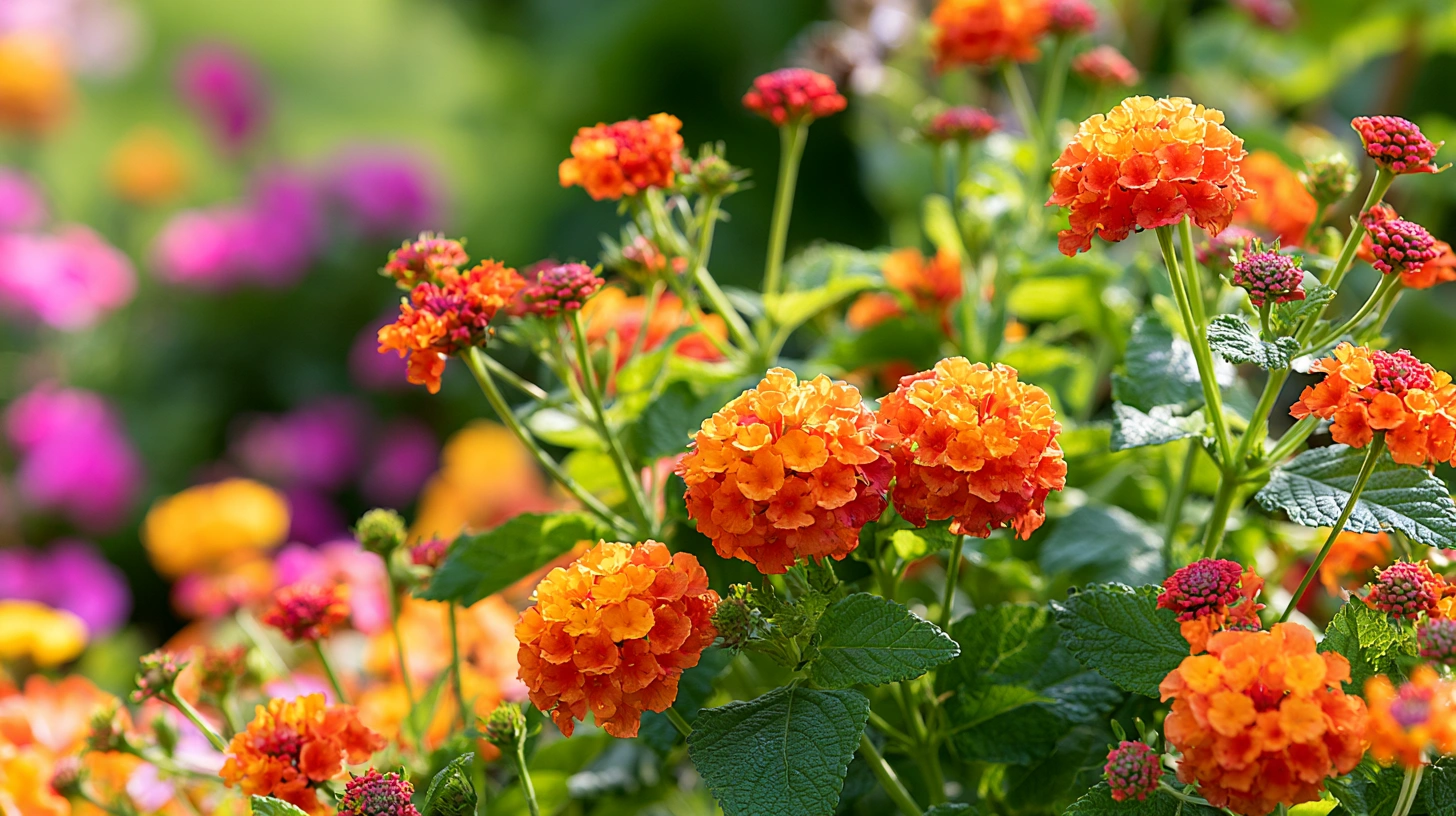
Ultimately, incorporating heat tolerant flowers into your garden is a celebration of life and resilience. By choosing plants that thrive in the warmth, you honor both the unique climate of Arizona and the joy that comes from cultivating a beautiful outdoor space. As the summer sun shines down, embrace these flowers as representatives of vitality, showcasing their enduring spirit in the face of heat and helping you create a vibrant, colorful oasis in your backyard.