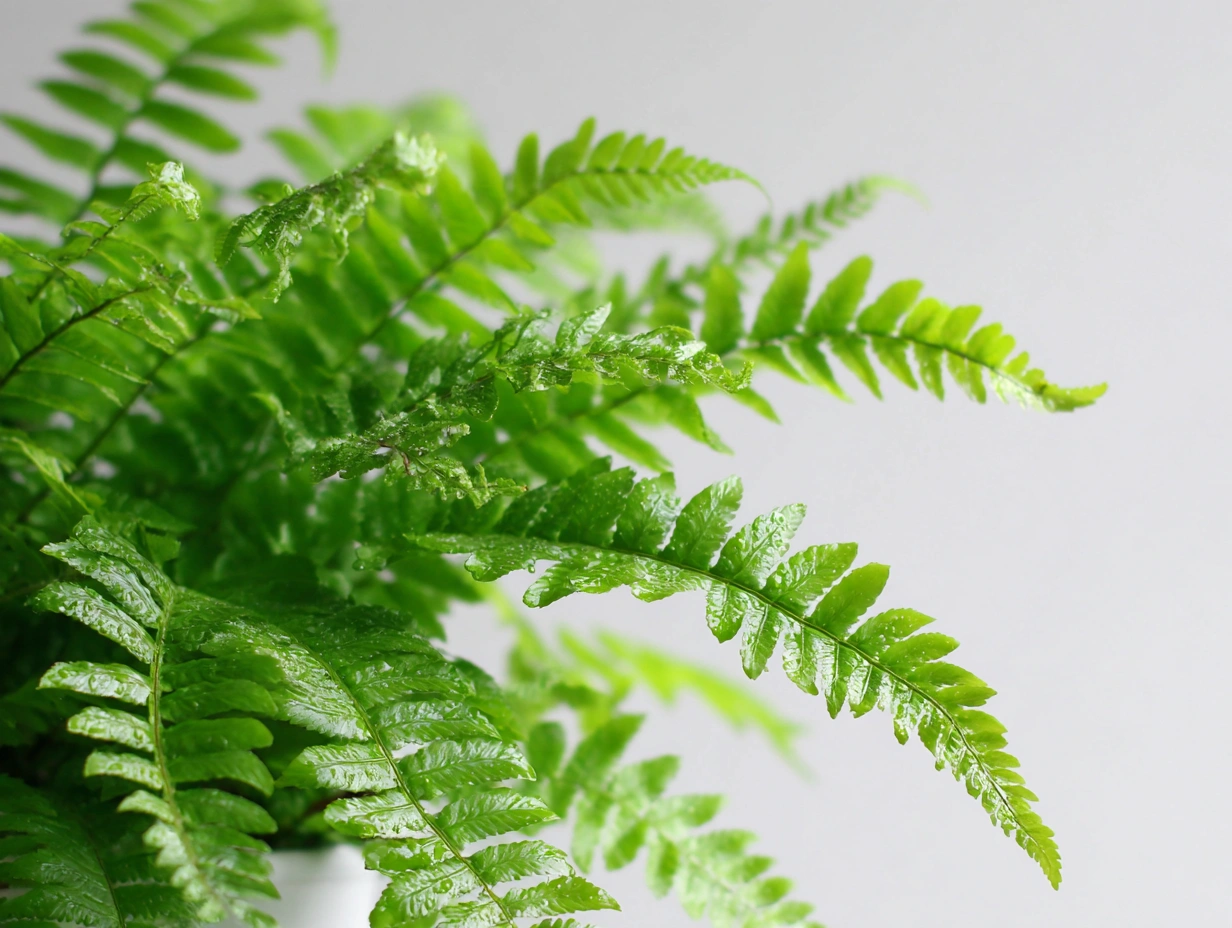
Choosing pet-safe flowers is an essential consideration for households with furry companions. Many common flowers can pose significant hazards to pets, particularly to dogs and cats. Plants belonging to the lily family, for instance, are well-known for their toxicity, leading to severe health risks and, in extreme cases, even fatality for our beloved animals. With the beauty that flowers bring into our homes, it becomes imperative to ensure they do not endanger the well-being of our pets.
Statistics reveal that thousands of cases of pet poisoning occur each year due to the ingestion of toxic plants. According to the ASPCA, ornamental plants are among the top five most common causes of pet poisonings. The signs of poisoning can range from mild gastrointestinal upset to severe organ damage, emphasizing the need for vigilance in choosing safe flora. By being informed about which flowers are non-toxic, pet owners can significantly reduce the risk of exposure to harmful substances and ensure a secure environment at home.

Moreover, creating a safe landscape for pets involves not only selecting non-toxic flowers but also educating ourselves on how to identify these plants. Resources such as the ASPCA’s list of toxic and non-toxic plants can serve as an invaluable tool for pet owners. Familiarizing oneself with this information is crucial, as well as being cautious while purchasing flowers, particularly during holidays or special occasions when floral arrangements are often gifted. With careful consideration and informed choices, pet owners can enjoy the aesthetic pleasure of flowers while keeping their animals safe from harm.
Top Non-Toxic Flowers for Your Home
Creating a pet-friendly home environment does not mean sacrificing beauty. Selecting non-toxic flowers is an excellent way for pet owners to add vibrancy to their living spaces. Below is a curated list of some of the best blooms that are safe for both pets and their owners.
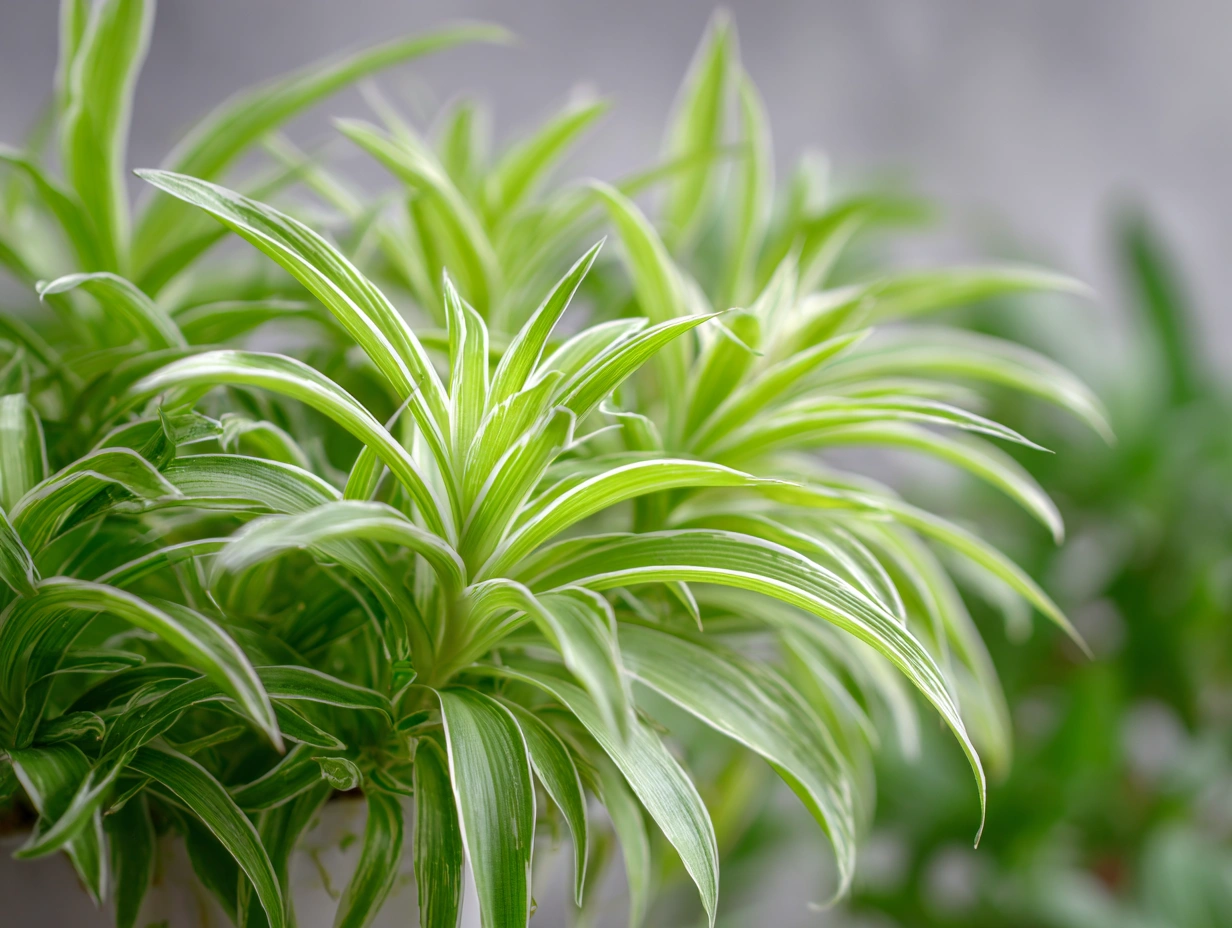
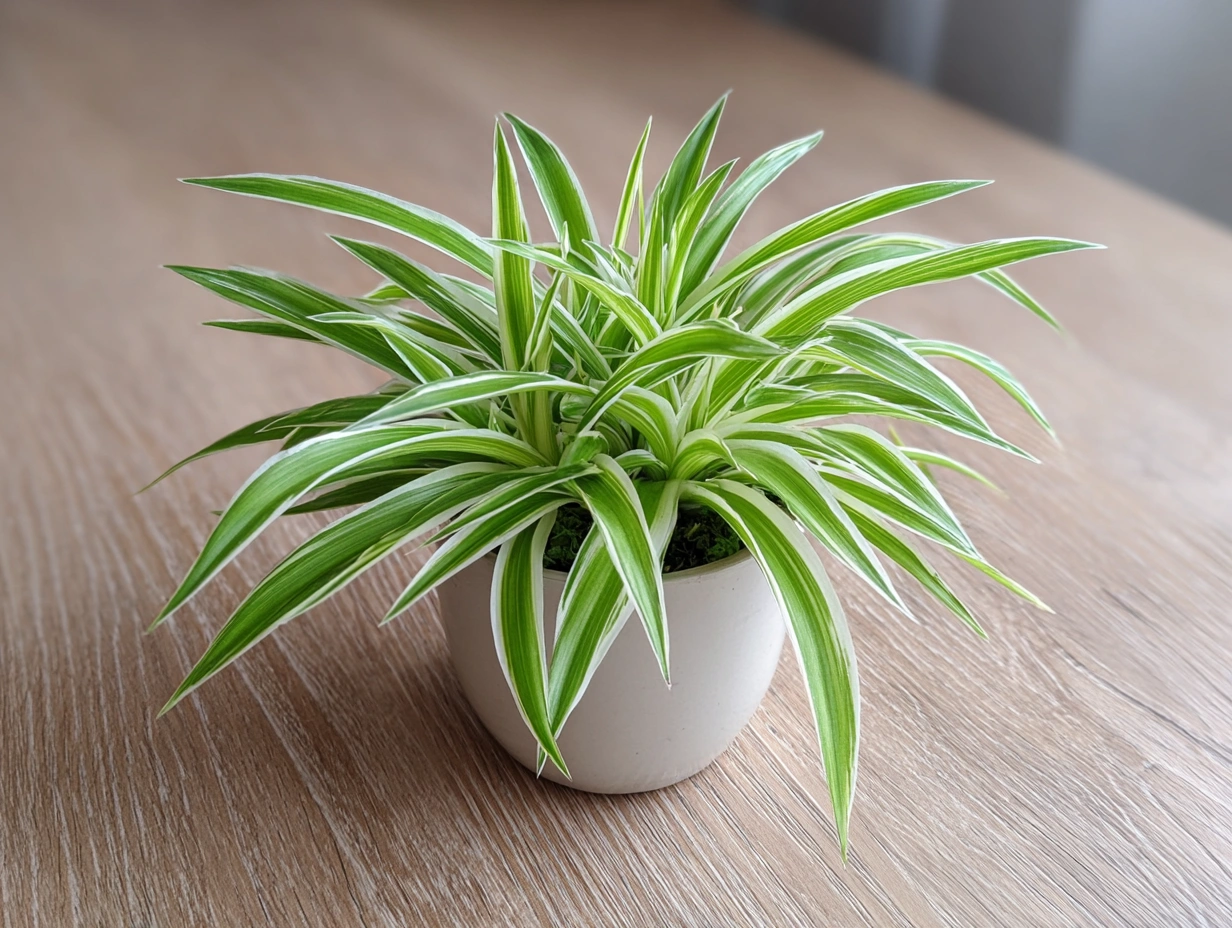
Spider Plant (Chlorophytum comosum)
A popular indoor plant, the spider plant is known for its arching green leaves that produce delightful little “baby” plants. They thrive in indirect light and prefer well-drained soil. Spider plants are not only non-toxic but also excellent air purifiers, contributing to a healthier home environment.
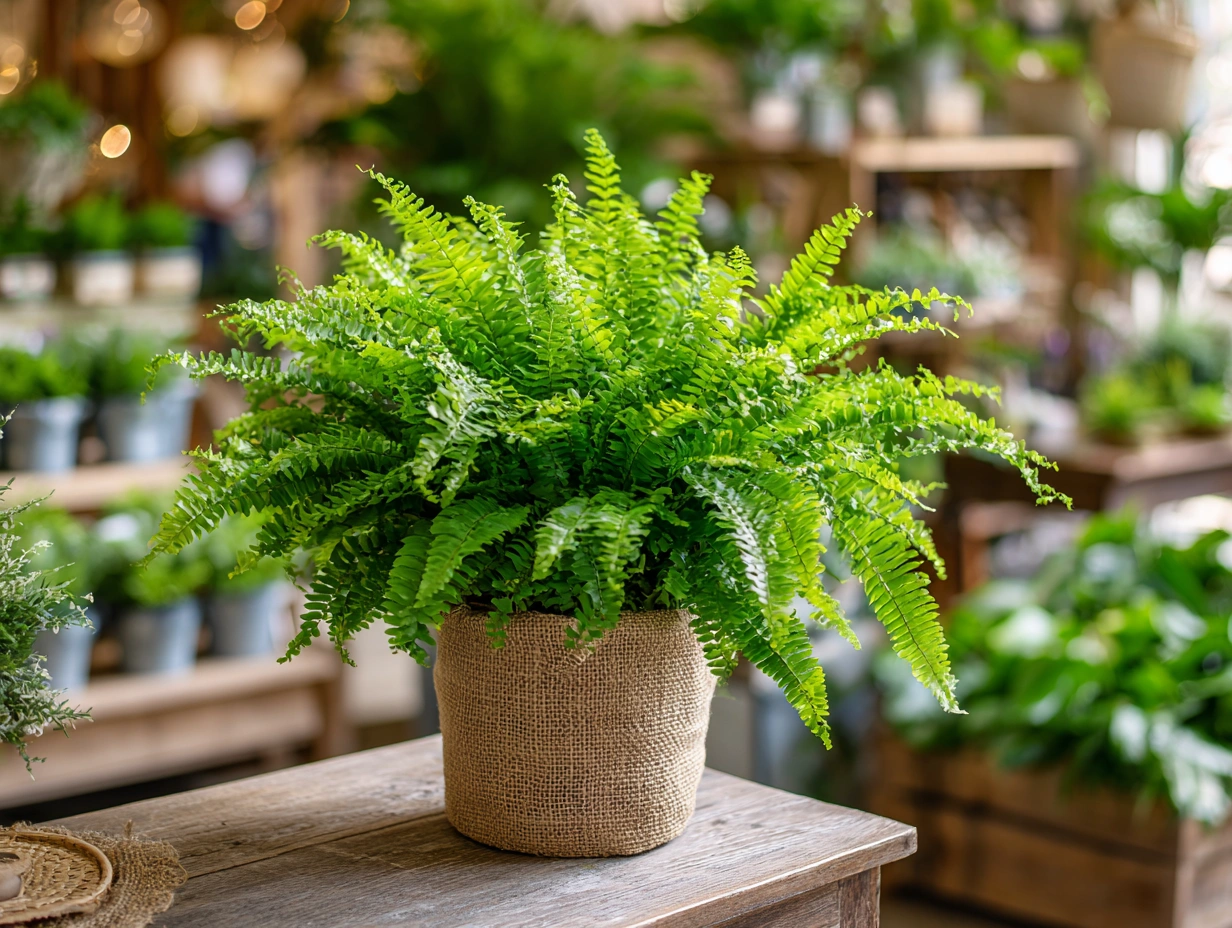
Boston Fern (Nephrolepis exaltata)
The Boston fern, celebrated for its lush fronds, can be a charming addition to your home. This fern prefers high humidity and indirect sunlight. Regular misting aids growth, and its non-toxic nature ensures it’s safe for curious pets.
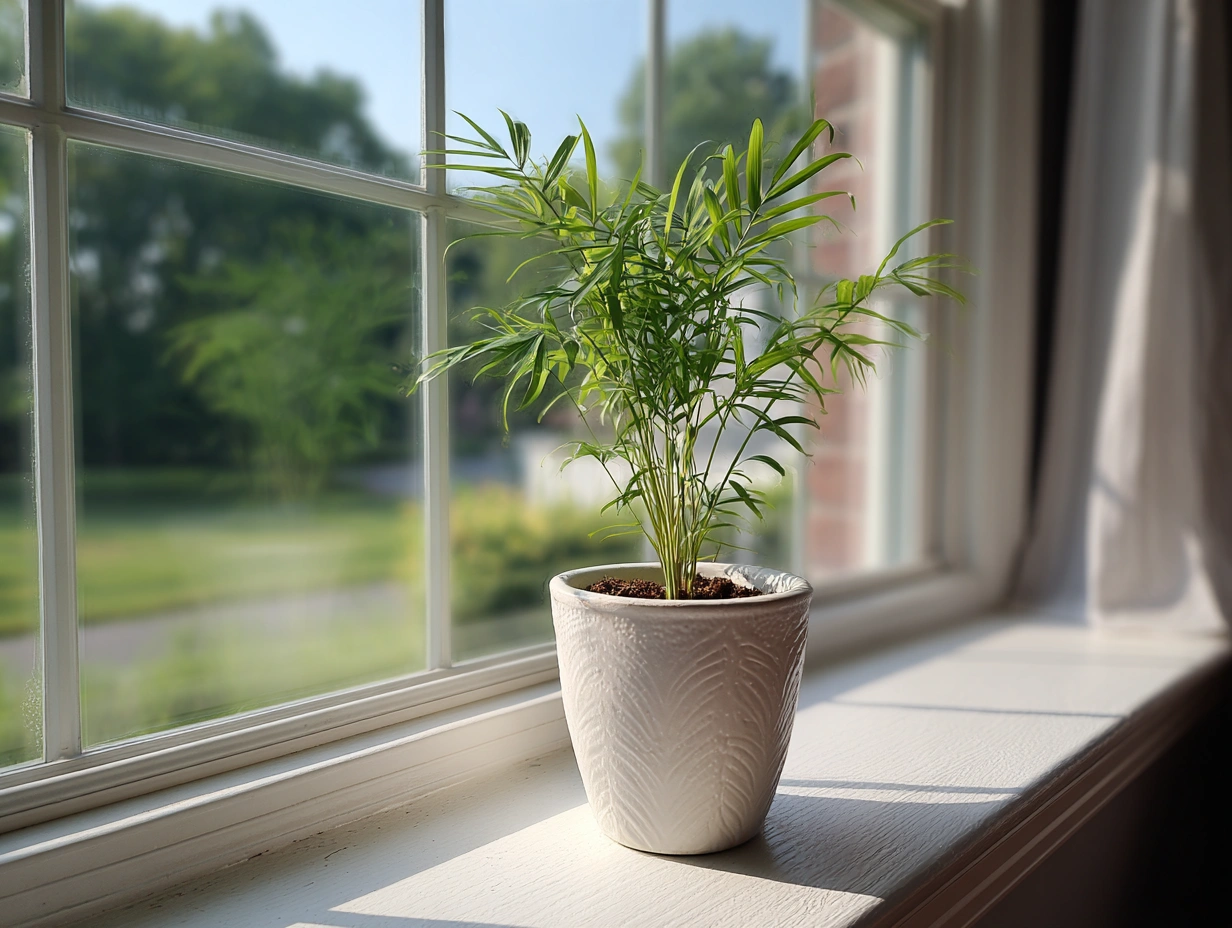
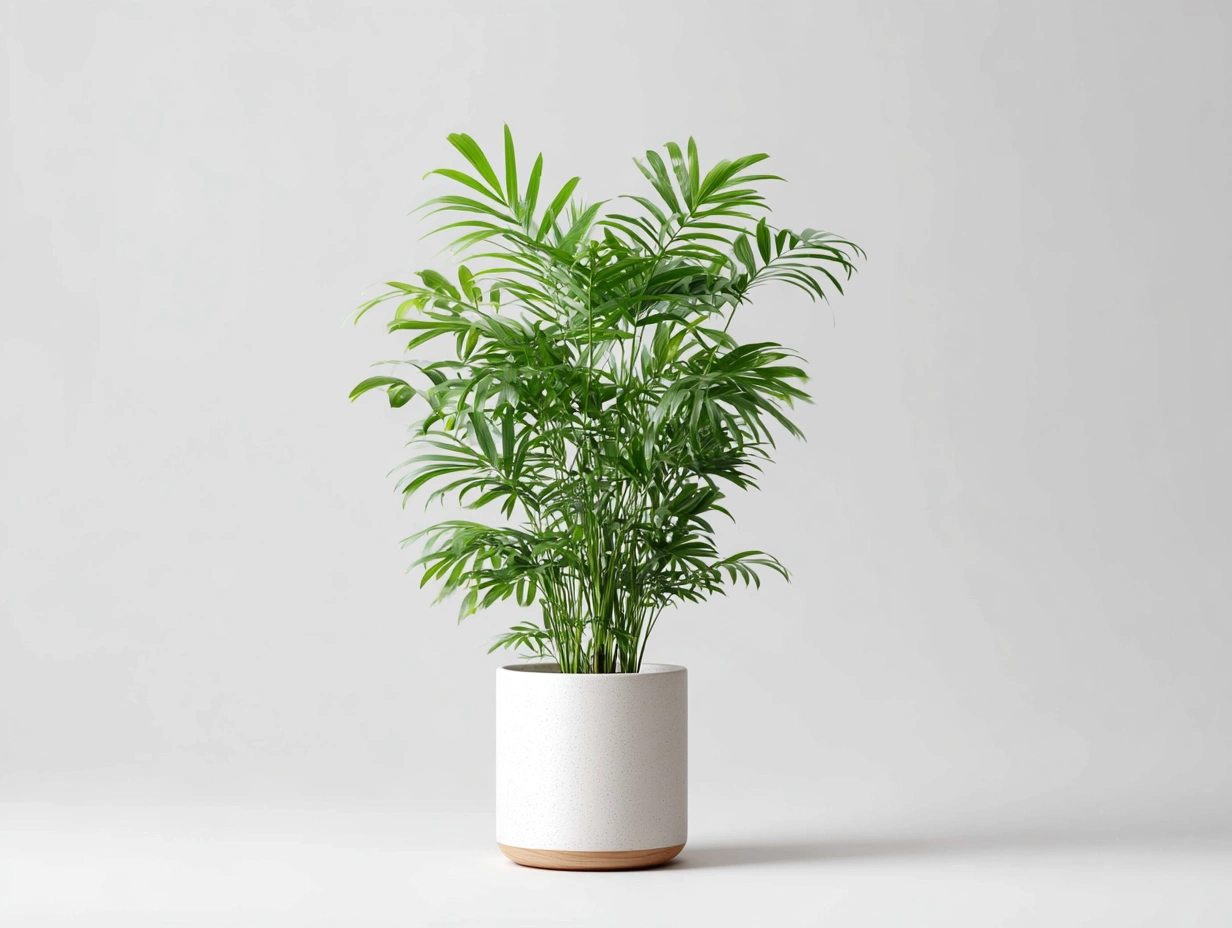
Parlor Palm (Chamaedorea elegans)
Touted for its elegant appearance, the parlor palm thrives in low light conditions and is incredibly low-maintenance. It may add a touch of tropics indoors while being entirely safe for pets.
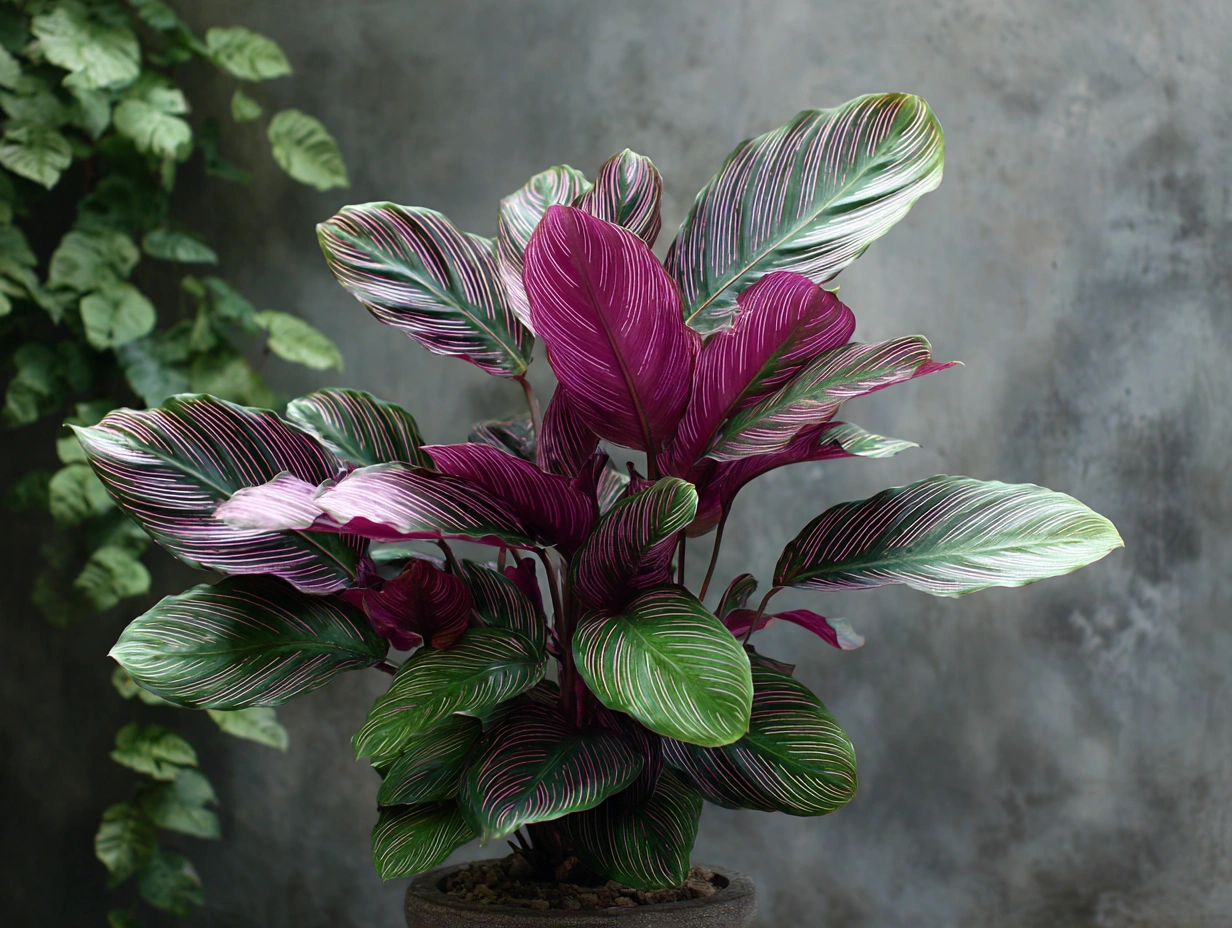
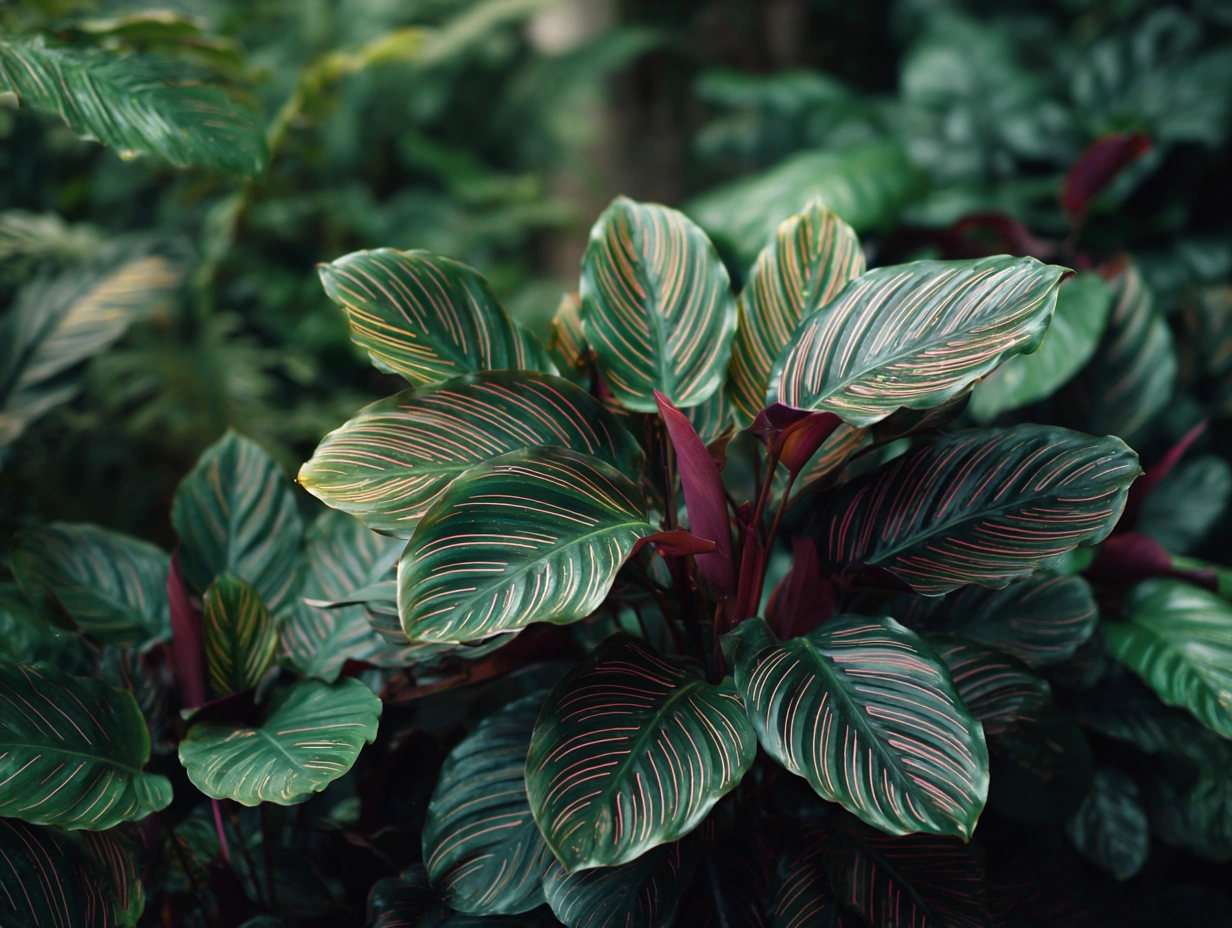
Calathea (Calathea spp.)
Known for its striking leaf patterns, calathea is ideal for any indoor setting. This plant prefers filtered light and consistently moist soil, making it a wonderful choice for adding color to your home while ensuring that it remains pet-friendly.
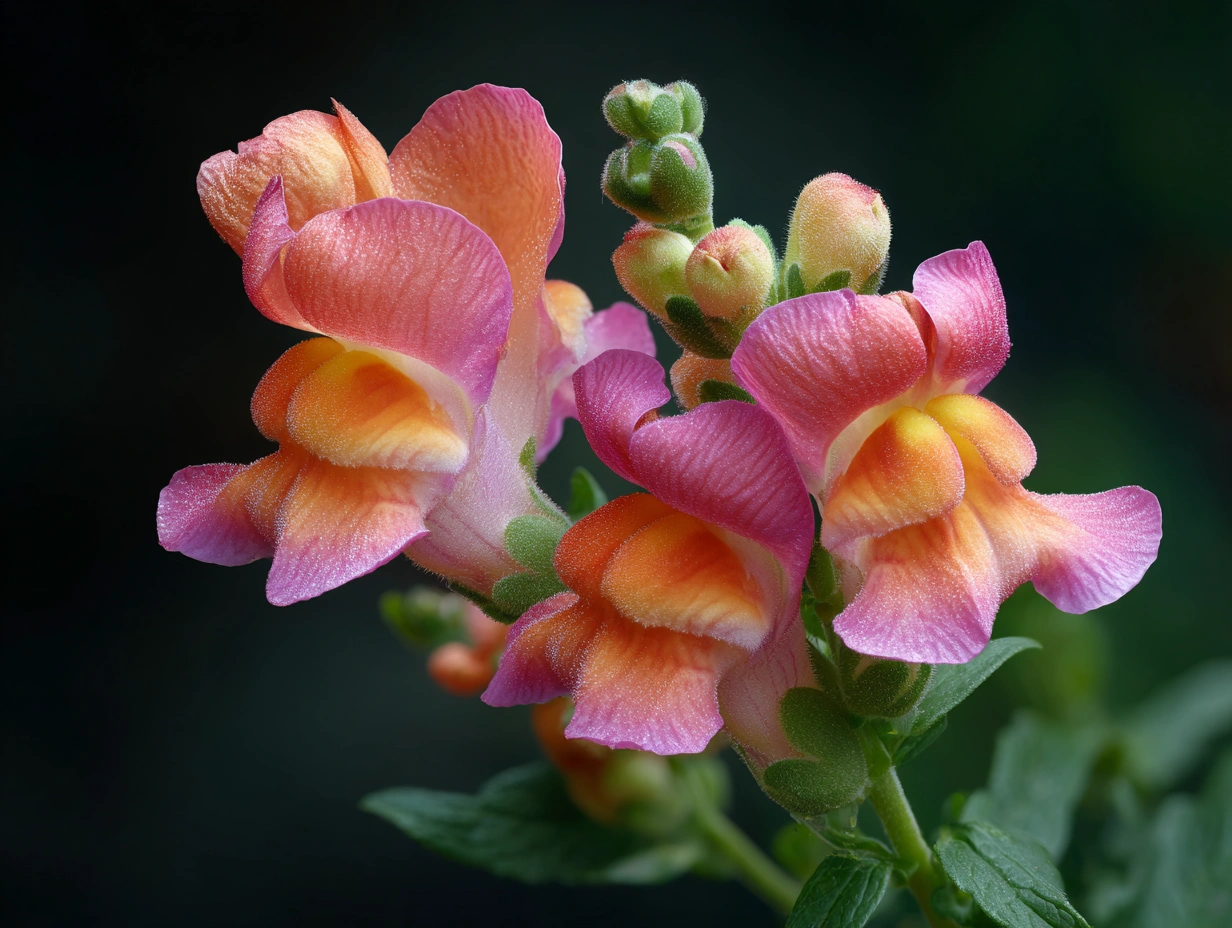
Snapdragon (Antirrhinum majus)
For outdoor options, the snapdragon offers vibrant blossoms that brighten gardens and patios. They flourish in well-drained soil and full to partial sun, making them easy to grow. As a non-toxic flower, they pose no threat to pets who may roam freely outdoors.
By incorporating these non-toxic flowers into your home decor, you can enjoy the benefits of nature’s beauty without compromising the health and safety of your beloved pets. Taking care to select the right plants helps ensure a harmonious living space for every member of the household.
Caring for Your Pet-Safe Flowers
Caring for pet-safe flowers involves several essential practices that ensure both your plants thrive and your pets remain unharmed. One of the fundamental aspects to consider is the watering needs of your flowers. Typically, overwatering can be detrimental, so always check the soil moisture before watering. A general rule is to water when the top inch of soil feels dry. This prevents root rot while maintaining the necessary humidity level in the soil.
Sunlight requirements also play a critical role in the health of your pet-safe flowers. While some species thrive in direct sunlight, others prefer indirect light. Be attentive to the specific light needs of each flower variety to promote optimal growth. Placing plants in well-lit but pet-safe areas will create a conducive environment for flourishing flowers without endangering your animals.
Pest control can be particularly challenging for pet owners, as many commercial pesticides can be toxic to animals. Instead, consider natural pest control methods, such as introducing beneficial insects like ladybugs or using neem oil sprays, which are safe for pets. Additionally, regularly inspecting the plants for signs of pests can help you intervene early and preserve your flowers.
To further protect your plants from curious pets, consider their placement within your home. You might rearrange or elevate plants on shelves or hang them in baskets, ensuring they are out of reach. Another option is to create barriers around plants using decorative stones or other pet-safe materials, which not only enhances aesthetics but also deters pets from nibbling on the leaves.
By implementing these care techniques, you can enjoy a vibrant indoor garden filled with pet-safe flowers while keeping your furry companions safe and healthy.
Additional Resources and Considerations
It is vital for pet owners to equip themselves with comprehensive knowledge regarding non-toxic plants to ensure the safety and well-being of their furry companions. Various reputable veterinary organizations provide excellent online resources that can assist in identifying both pet-safe flowers and those that should be strictly avoided. Websites such as the ASPCA (American Society for the Prevention of Cruelty to Animals) and the Pet Poison Helpline maintain extensive databases of plants that are hazardous to pets, offering detailed descriptions that can be easily referenced.
In addition to understanding which flowers pose a risk, pet owners should also familiarize themselves with essential first aid measures to take should their pets ingest harmful plants. Guidelines from veterinary professionals often cover immediate actions, such as inducing vomiting or contacting a veterinarian, which are crucial in mitigating the effects of poisoning. Keeping these resources readily available can provide peace of mind and preparedness in case of emergencies.
Further research on pet behavior around plants is equally important. Observing how pets interact with their environment—whether they chew on leaves or show interest in flowers—can offer insight into their tendencies. Books and articles focused on pet care and behavior can provide guidance on developing a pet-friendly home where flowers can coexist safely. Joining online forums and communities dedicated to pet ownership can also foster discussions that highlight personal experiences and tips from other pet lovers.
Ultimately, empowering yourself with knowledge about the plants you introduce into your home will enhance both your life and your pet’s well-being. By understanding the nuances of plant safety and seeking further assistance when needed, pet owners can confidently curate their spaces while ensuring a safe and enjoyable environment for their beloved companions.