Self-care is increasingly recognized as an essential component of mental and emotional well-being. It encompasses a wide array of activities and practices that individuals engage in to maintain their health, manage stress, and enhance their overall quality of life. A growing body of research supports the idea that our environment significantly influences our mental state, leading to a surge in nature-based self-care practices. Among these practices, incorporating flowers and plants into our living spaces has emerged as a particularly popular strategy.
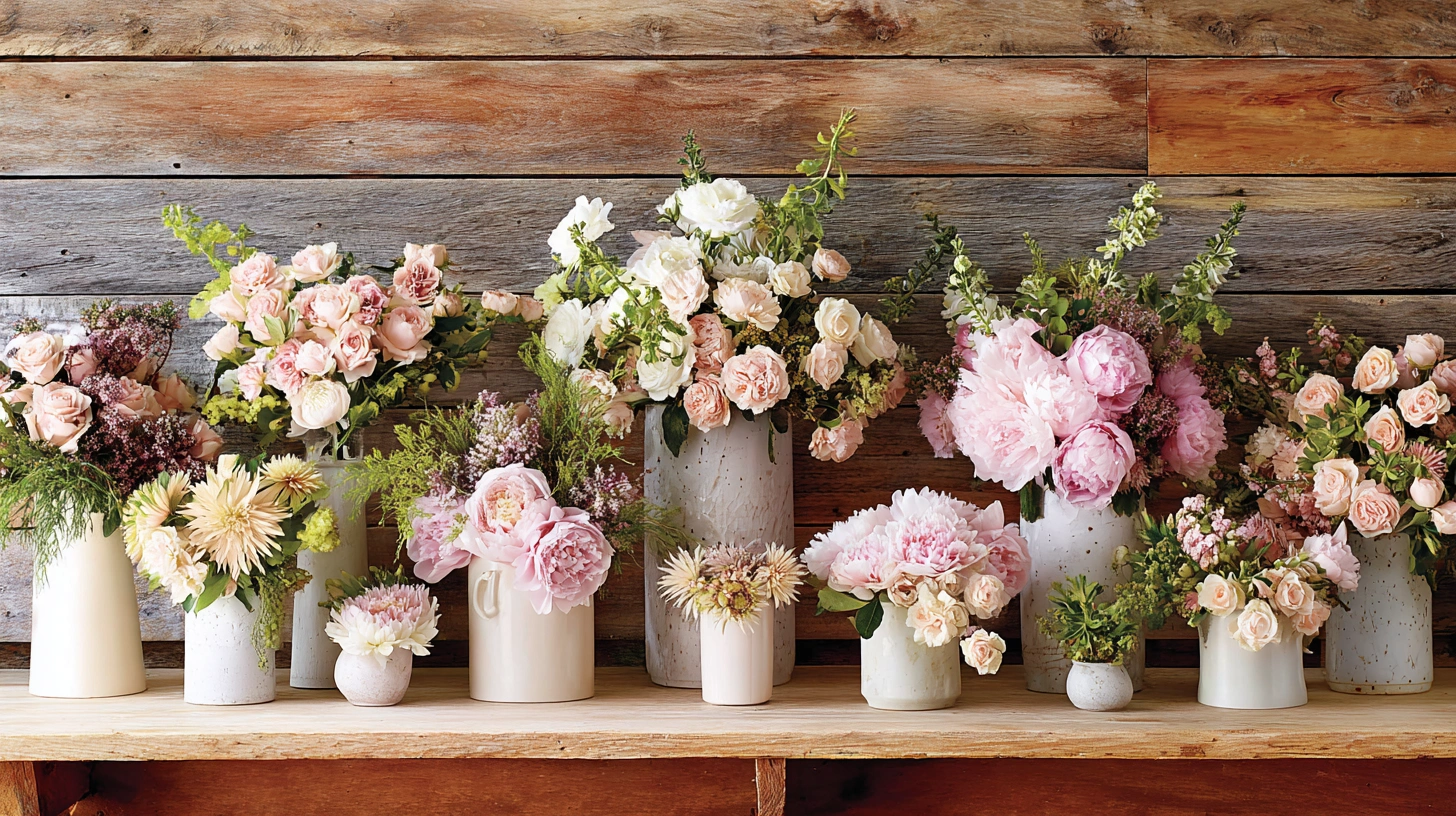
The presence of natural elements, such as flowers and plants, not only beautifies our surroundings but also promotes a sense of calm and tranquility. Studies have shown that being around greenery can reduce stress levels and improve mood. For instance, interacting with plants has been linked to lower blood pressure and decreased feelings of anxiety. This biological response underscores the therapeutic potential of nature in our daily lives. As individuals navigate the complexities of modern life, creating a serene home environment becomes vital for fostering relaxation and mental clarity.
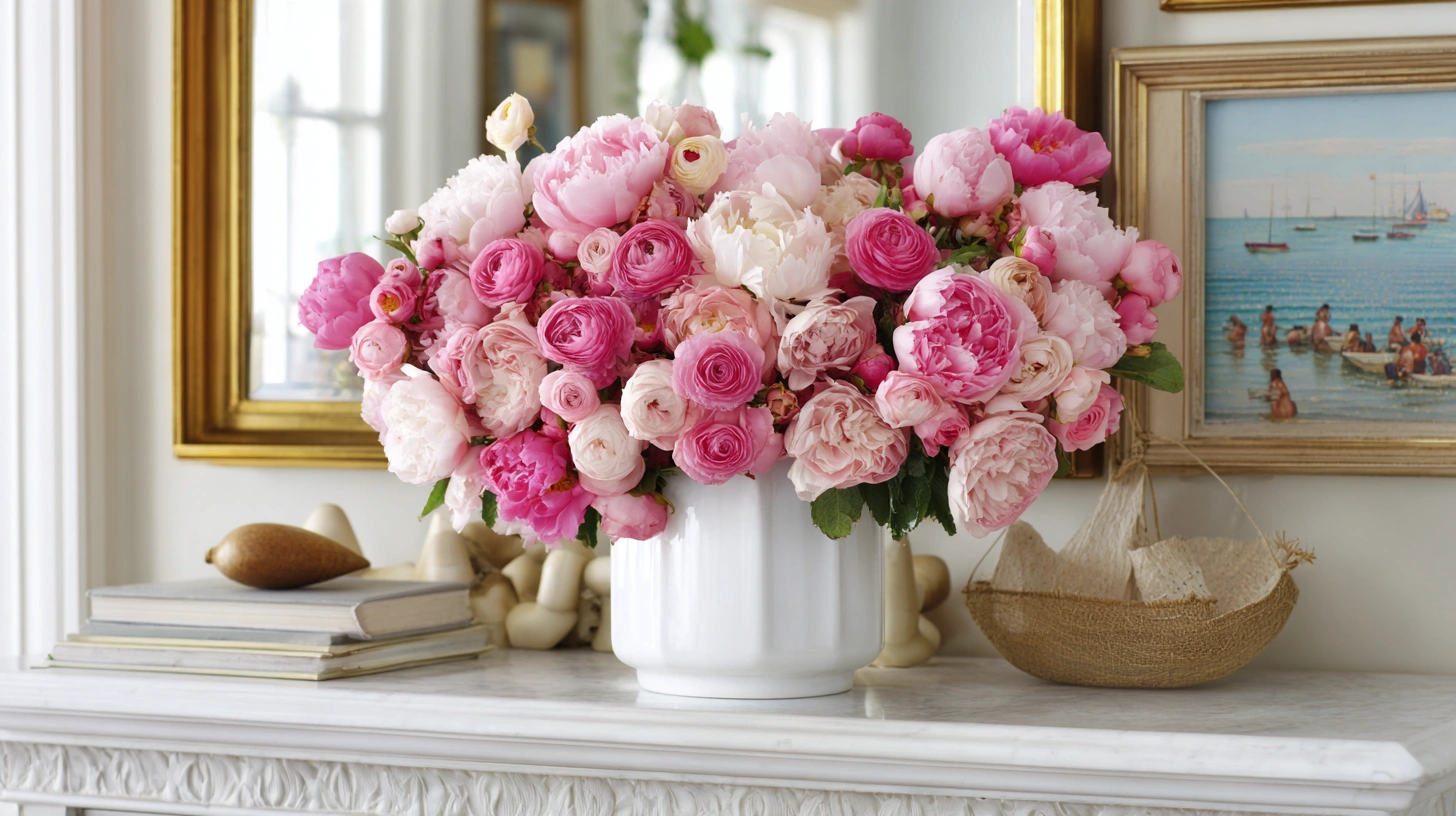
Furthermore, the trend of integrating flora into self-care routines reflects a broader cultural movement towards sustainability and environmental awareness. By nurturing plants, individuals can cultivate a deeper connection to the earth, heightening their appreciation for nature’s beauty and benefits. This practice not only contributes to personal wellness but also encourages eco-conscious living. In this light, the role of flowers and plants transcends mere aesthetic value; they embody a holistic approach to self-care, intertwining physical, emotional, and spiritual health into one harmonious practice.
Nine Benefits of Having Plants and Flowers at Home
Introducing plants and flowers into your living space can yield numerous advantages that go beyond mere aesthetics. Here are nine key benefits associated with incorporating greenery into your home environment.
Firstly, improved air quality is one of the most notable benefits. Plants act as natural air purifiers, absorbing toxins and releasing oxygen, thus contributing to a healthier living space. Research has shown that specific houseplants can reduce levels of formaldehyde, benzene, and other harmful substances found in indoor air.
Secondly, stress reduction is a pivotal factor in maintaining a balanced lifestyle. Studies suggest that the presence of plants can lower stress levels and promote a sense of calm. The visual appeal of flowers combined with the soothing effects of greenery encourages relaxation after a long day.
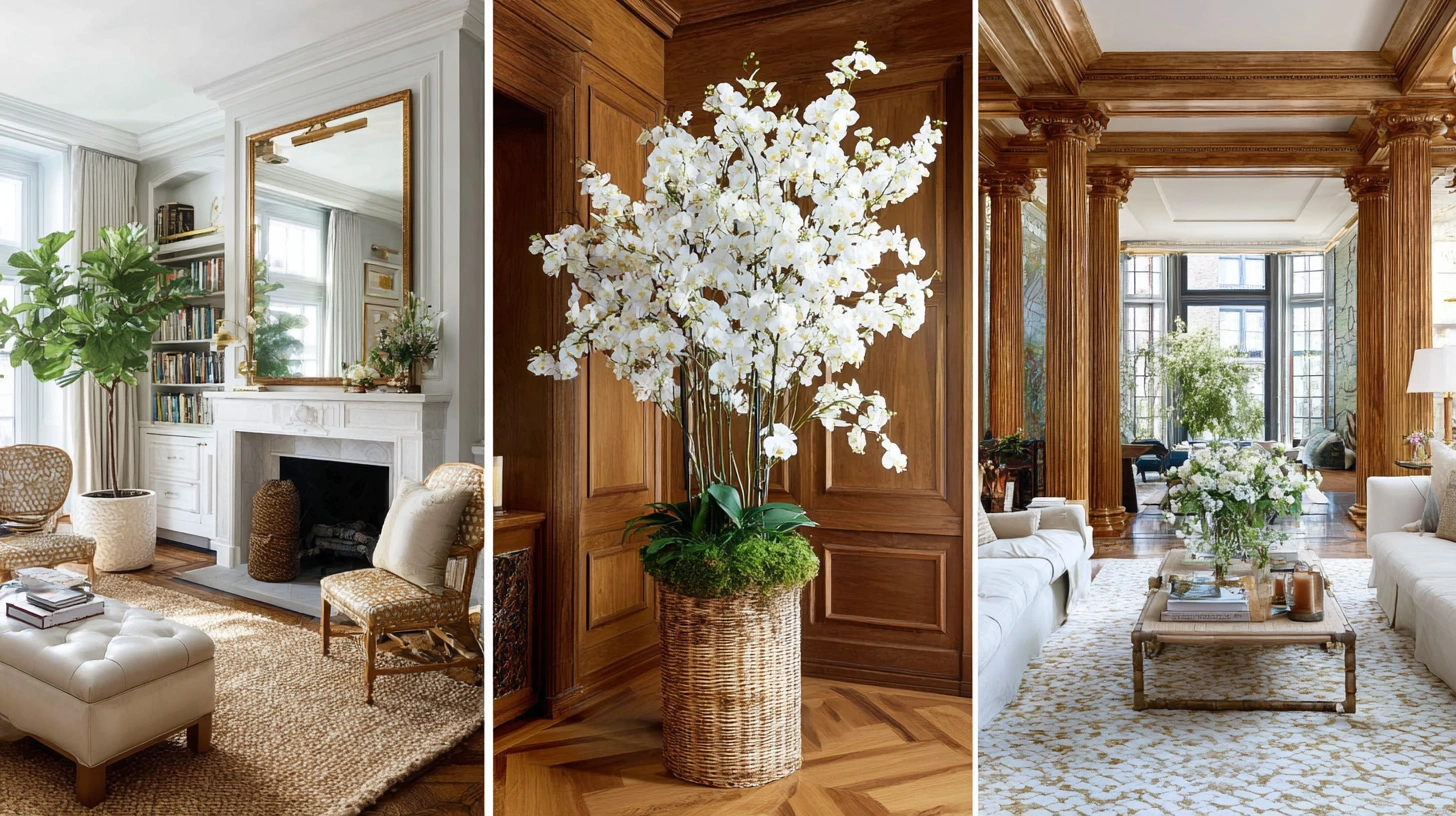
Additionally, having plants at home can significantly enhance feelings of happiness. The vibrant colors and forms of various flowers can uplift spirits and create a more positive atmosphere. This transformation can be particularly beneficial in spaces often associated with work or chores.
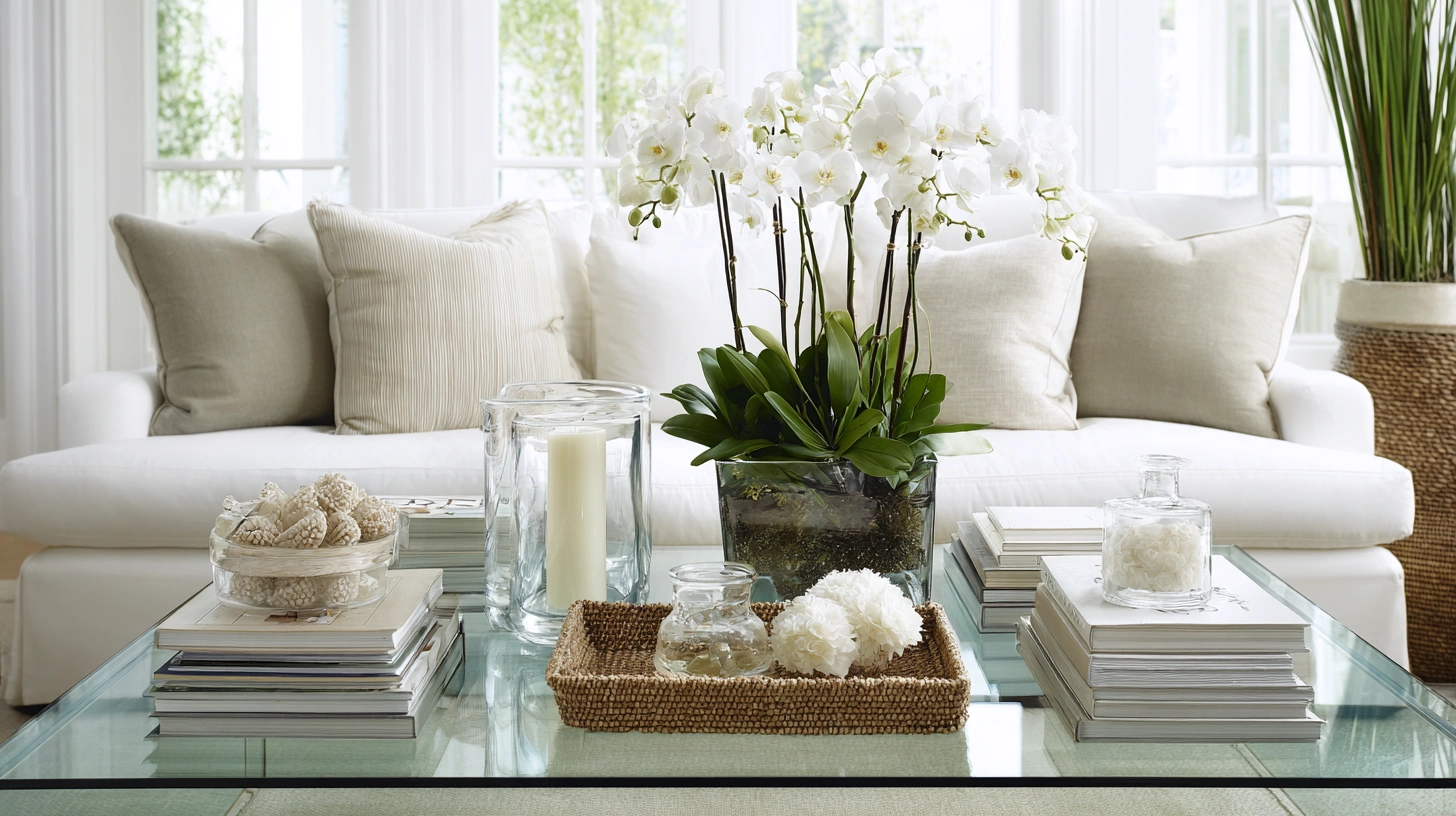
In terms of creativity, many people find that their creative output increases in the presence of plants. Vibrant colors and organic shapes stimulate the brain and inspire new ideas, making them an ideal companion for artists, writers, and other creative individuals.
Moreover, exposure to plants has been linked to improved focus and productivity. Studies indicate that individuals working in green environments are often more engaged and efficient in their tasks, leading to higher overall productivity levels.
Furthermore, plants contribute to a calming atmosphere, helping to transform high-stress environments into serene spaces. They can also promote physical health by encouraging individuals to engage in caring for them, which can include activities such as watering or pruning.
Next, fostering a connection with nature is another significant benefit. Having plants indoors allows individuals to remain in touch with nature, promoting a sense of well-being and reducing feelings of isolation.
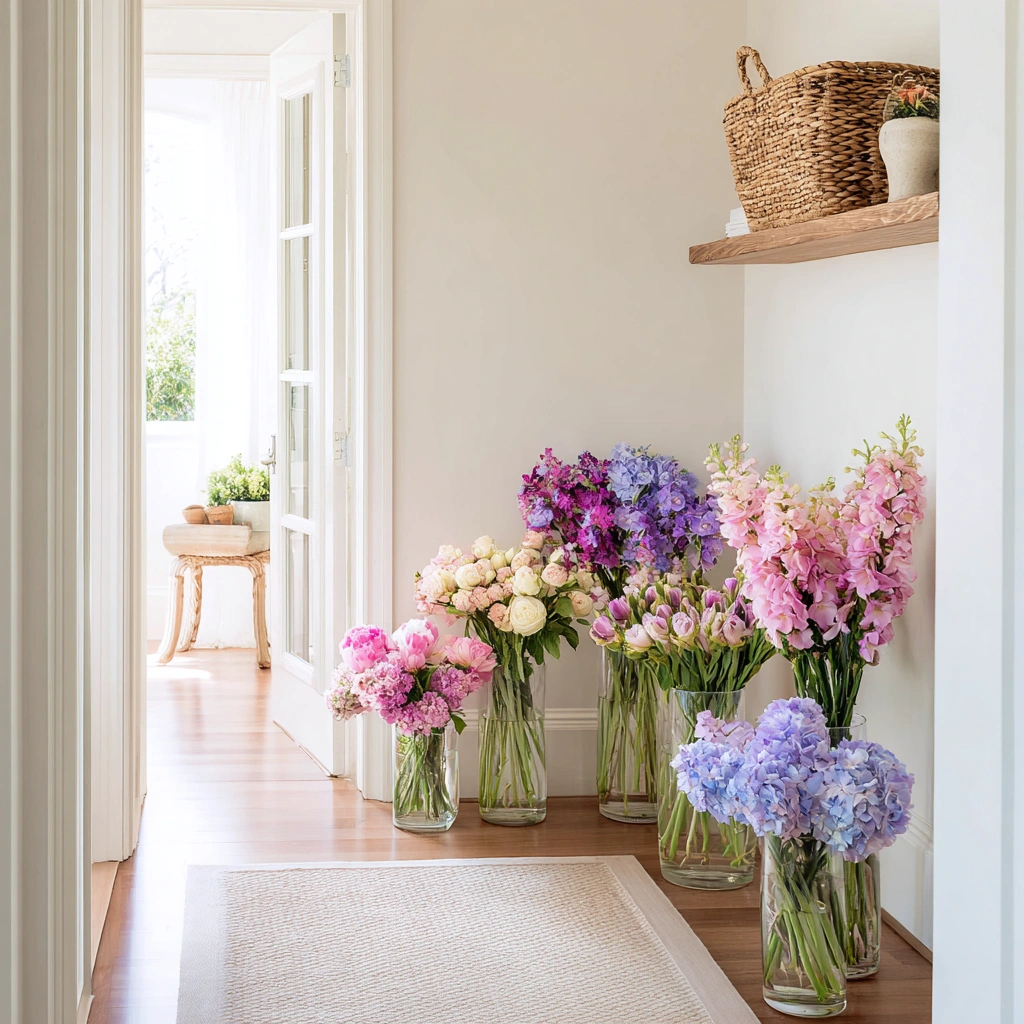
Finally, plants encourage a nurturing environment that nurtures personal growth. Tending to plants can instill a sense of responsibility and encourage mindfulness, allowing individuals to cultivate not just their plants but also their well-being.
Choosing the Right Plants and Flowers for Your Space
Selecting the right plants and flowers for your home environment is essential to create a harmonious and inviting atmosphere. It is important to consider several factors that influence the health of both the plants and yourself. One crucial aspect is the light requirements of different species. Some plants thrive in bright, direct sunlight, while others prefer shaded or indirect light. Assessing the lighting conditions in each room can help you make informed choices that will promote healthy growth and enhance your space.
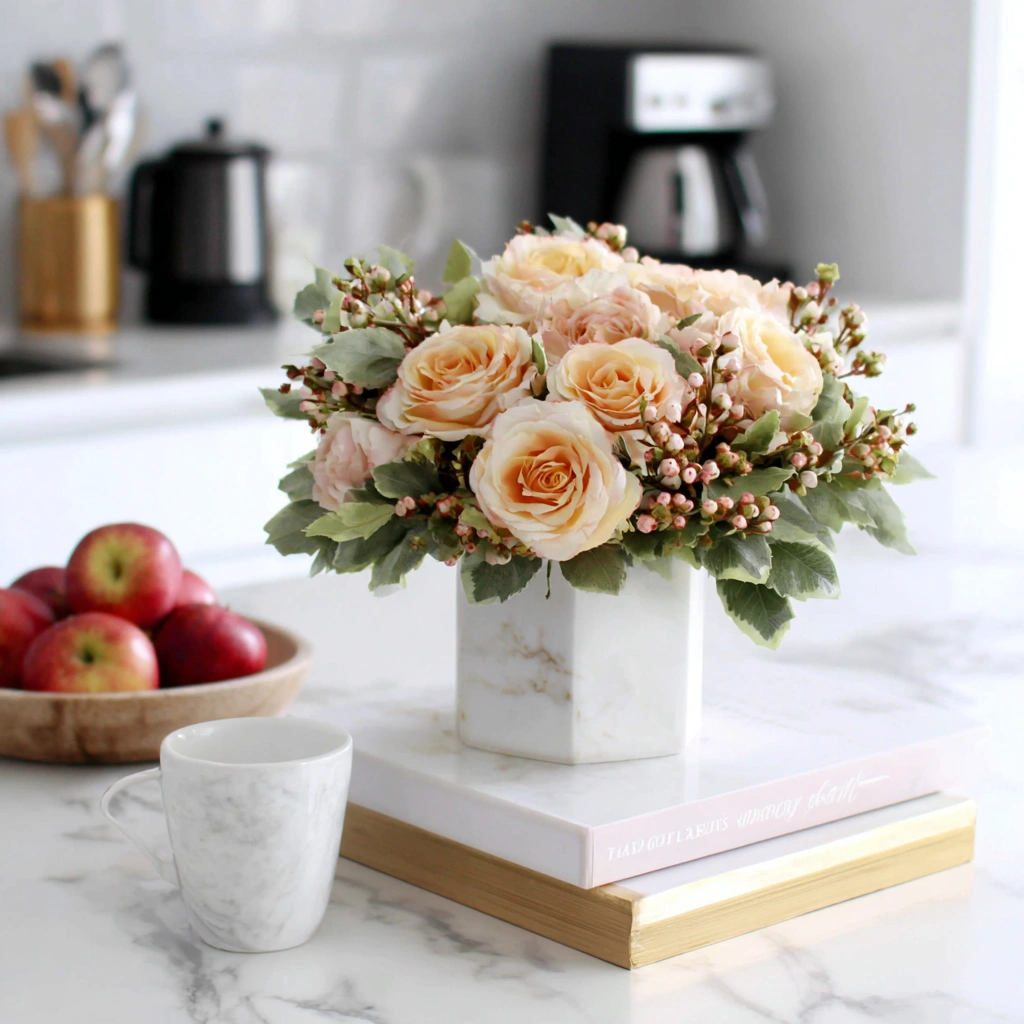
In addition to light, maintenance needs should also be taken into account. Several plants require minimal upkeep, making them excellent choices for busy individuals. For example, succulents and certain varieties of potted herbs are known for their low maintenance requirements. On the other hand, flowering plants may need more regular care, including watering and pruning. Understanding your own lifestyle and how much time you can dedicate to plant care is essential in selecting options that will flourish in your space without becoming burdensome.
Personal aesthetics play a significant role in the selection process as well. The colors, shapes, and sizes of plants and flowers can greatly influence the ambiance of your home. Consider the overall design theme of your space and choose plants that complement it. For instance, vibrant flowers can inject energy into a room, while greenery can create a calming and serene environment. Additionally, many individuals select plants based not only on visual appeal but also on the fragrance they provide, which can evoke various emotional responses.
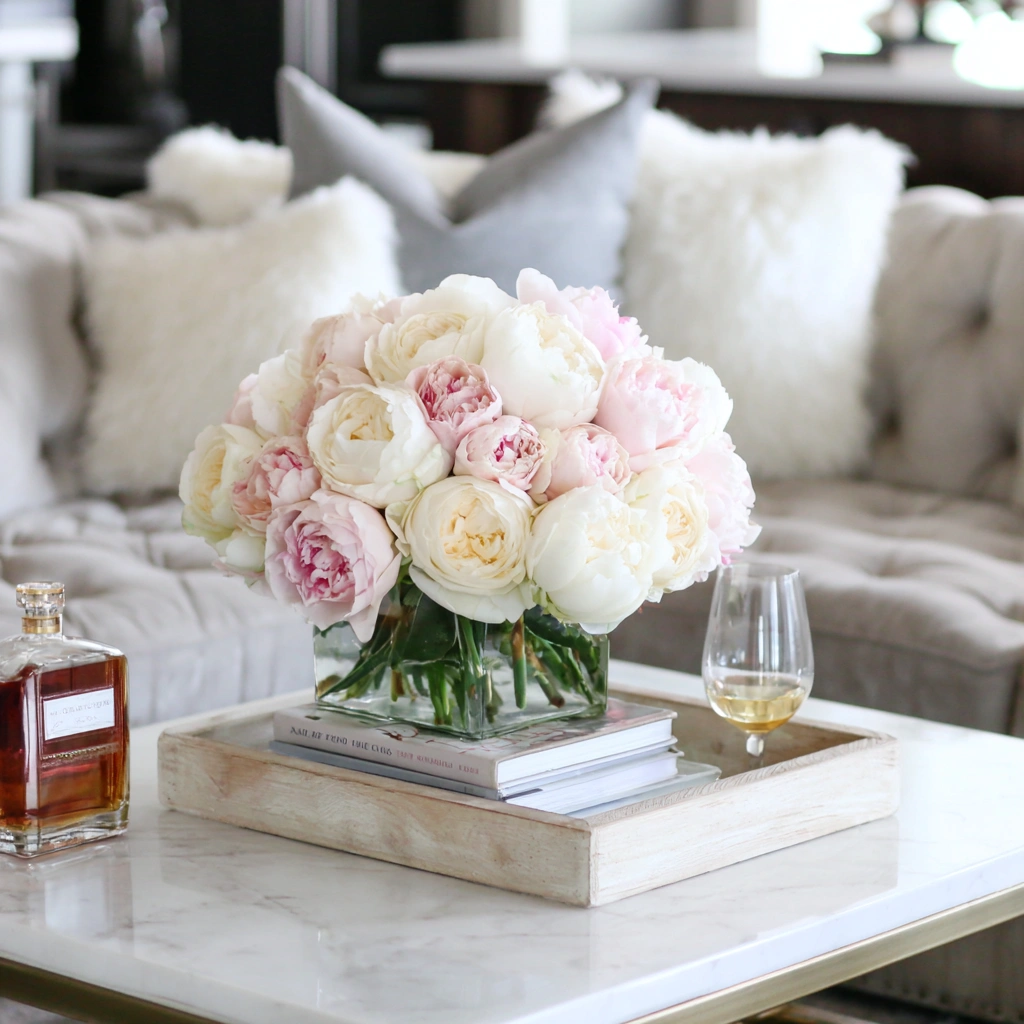
Finally, it is imperative to match your plant choices with the desired emotional or psychological effects. Research has shown that certain plants can promote feelings of relaxation, focus, or even happiness. For example, lavender is well-known for its soothing properties, while peace lilies may enhance emotional tranquility. By deliberately selecting plants and flowers based on their care needs, aesthetic qualities, and emotional benefits, you can transform your living space into a sanctuary of wellness.
Incorporating Flowers and Plants into Your Self-Care Routine
Integrating flowers and plants into your self-care regimen can cultivate a tranquil atmosphere, enhancing both your mental and emotional well-being. One effective approach is to create mindful spaces in your home or workspace by strategically placing indoor plants or fresh flowers. Choose areas where you spend the most time, such as your living room or bedroom, and arrange a few pots of greenery or a vibrant floral centerpiece. This connection with nature can promote relaxation, reduce stress levels, and elevate your overall mood.
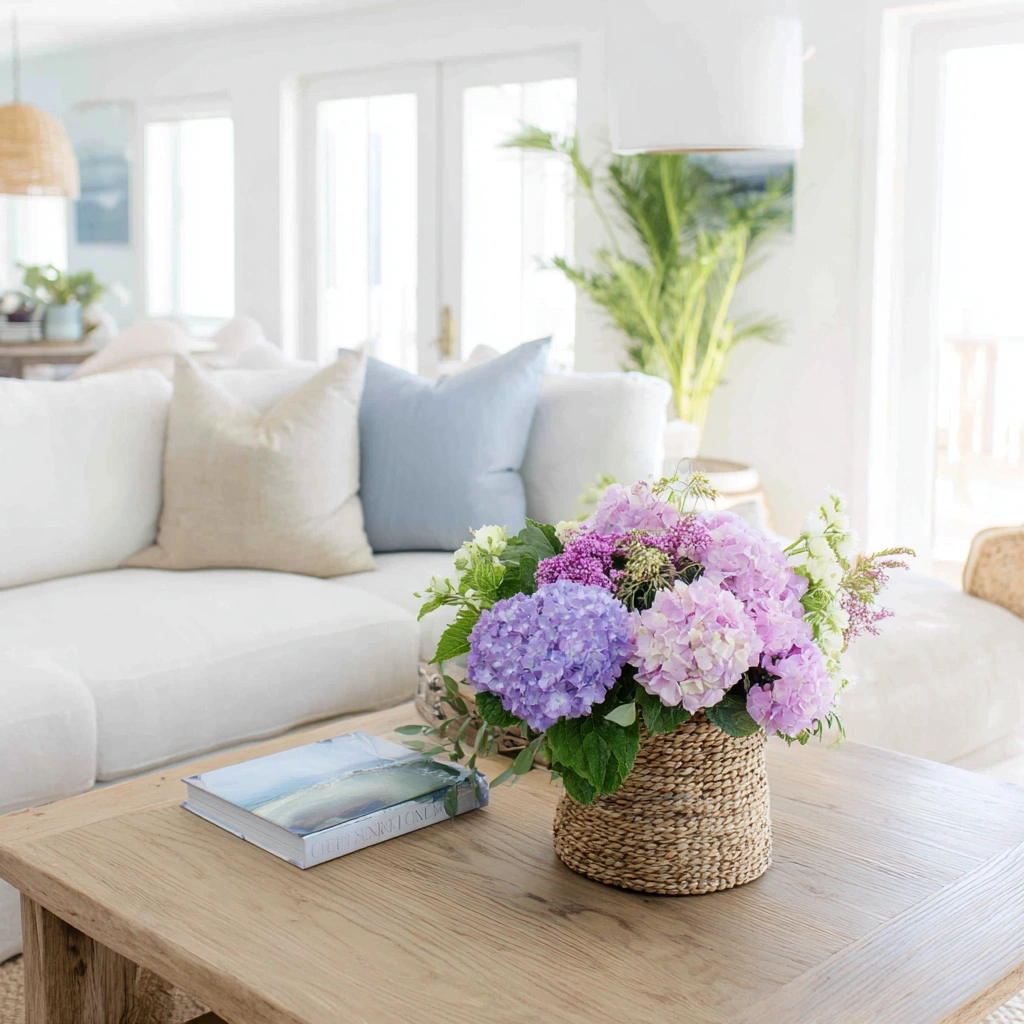
Establishing plant care rituals is another practical way to incorporate these natural elements into your daily routine. Setting aside time each week for watering, pruning, and repotting can transform plant care into a meditative practice. Use this time to reflect on your thoughts and feelings, fostering a nurturing relationship with your plants that mirrors self-care. Engaging with the sensory aspects of plant care—the texture of the leaves, the aroma of the soil—can help ground you, allowing for a calming distraction from daily stressors.
Moreover, flowers can serve multiple purposes beyond mere decoration. Engaging in activities such as flower arrangement can be a therapeutic exercise. This creative outlet allows you to express yourself artistically while also encouraging mindfulness. Additionally, consider using flowers as thoughtful gifts for friends or loved ones to strengthen social ties, which is crucial for emotional health. Sharing the joy of flowers and plants through gifting not only enhances your well-being but also helps to foster connections with others. By making plant care and floral activities a part of your self-care practices, you can nurture a deeper connection with nature, ultimately improving your mental and emotional health.